Wolf Attack in Ucluelet: Dog Killed, Pet Owners Warned
A dog was killed by wolves in Ucluelet, BC. Learn about the incident, safety advice, and our analysis of the increasing wolf presence in the region.
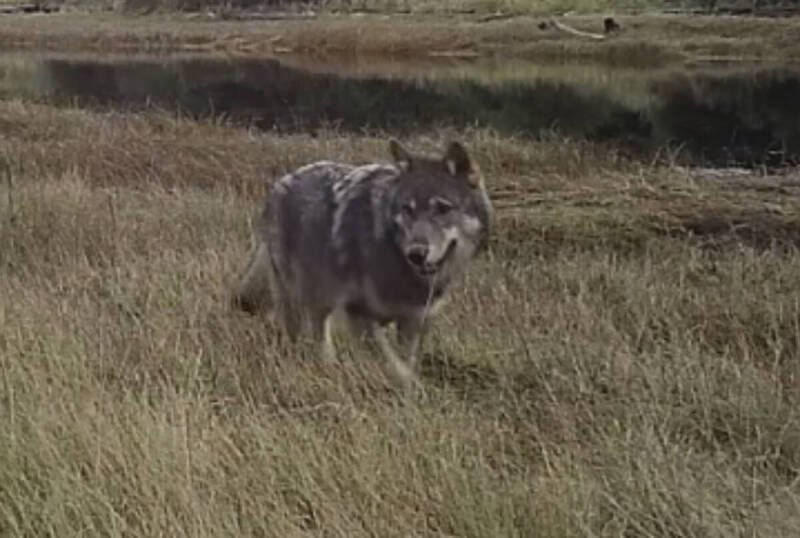



A dog was killed by wolves in Ucluelet, BC. Learn about the incident, safety advice, and our analysis of the increasing wolf presence in the region.
A recent incident in Ucluelet, British Columbia, has highlighted the increasing interactions between humans, their pets, and local wolf populations. A dog was tragically killed by wolves at the site of an abandoned golf course. This has prompted a warning from the Conservation Officer Service (COS) urging dog owners to keep their pets leashed while walking in the area.
The details of the attack are sobering. While specific information on the dog breed or exact location within the abandoned golf course is limited, the core message is clear: wolves are present and active in this area. They pose a potential threat to domestic animals, particularly dogs, who may be perceived as prey or competition.
The COS issued a strong warning to dog owners emphasizing the importance of leashing their pets. This isn't just about preventing the dog from running off; it's about protecting the dog from potential wildlife encounters. Leashes give owners control and allow them to react quickly if a wolf or other potentially dangerous animal is spotted.
This incident is significant for several reasons:
In our opinion, this event is a culmination of several factors. Firstly, the abandoned golf course likely provides attractive habitat for wolves. The overgrown vegetation and reduced human activity create a haven for wildlife. Secondly, the increasing human population and tourism in the Ucluelet area might lead to wolves becoming more accustomed to seeing and interacting with humans and their pets. This desensitization can lead to bolder behavior.
The COS's warning is a pragmatic and necessary response. Leashing dogs is a simple yet effective way to minimize risk. However, a more comprehensive approach is needed to address the underlying issues, such as habitat management and public education.
Education is key to preventing future incidents. Residents and visitors need to be informed about wolf behavior, how to identify wolf signs (tracks, scat), and what to do if they encounter a wolf. This includes keeping a safe distance, making noise to deter the animal, and never feeding wolves.
The future of human-wolf interactions in Ucluelet is uncertain. Several outcomes are possible:
This could impact the local community by requiring changes in habits. Also, the community will want assurance that their pets and themselves are safe.
Long-term solutions should focus on restoring and maintaining natural habitats, reducing human encroachment, and promoting responsible wildlife viewing. This requires collaboration between government agencies, local communities, and conservation organizations.
In conclusion, the wolf attack in Ucluelet serves as a stark reminder of the importance of respecting wildlife and taking necessary precautions to protect ourselves and our pets. Proactive measures and community involvement are crucial to ensure a sustainable future for both humans and wolves in this beautiful region.