Teen Skips Exam to Save Grandmother: A Story of Sacrifice and Hope
A 17-year-old skips crucial exams to donate his liver to his grandmother, highlighting family bonds and the importance of organ donation.
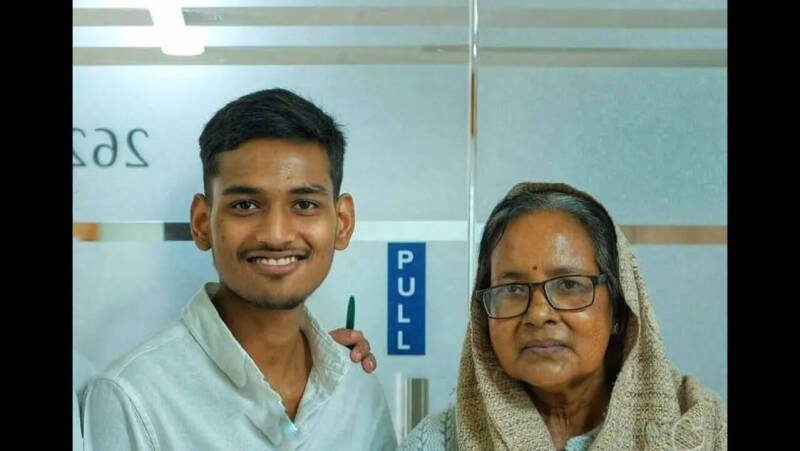



A 17-year-old skips crucial exams to donate his liver to his grandmother, highlighting family bonds and the importance of organ donation.
In a heartwarming display of selflessness, a 17-year-old boy has opted to donate part of his liver to his ailing grandmother, even if it meant missing his crucial Class 12 board exams and the National Eligibility cum Entrance Test (NEET). This incredible act of sacrifice highlights the powerful bonds within families and raises important questions about priorities and the ethics of medical decisions involving minors.
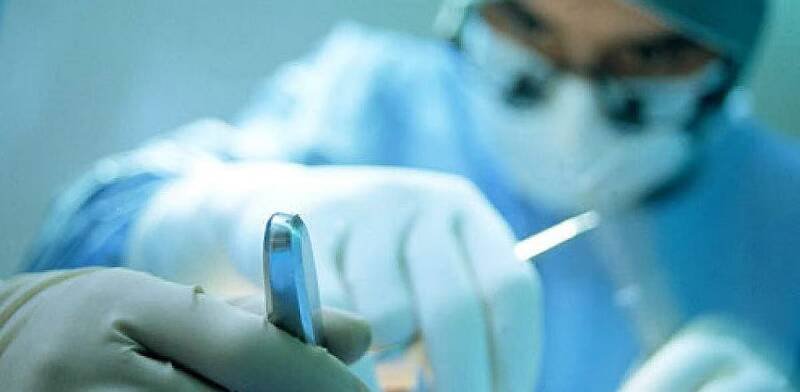
The young man's grandmother was suffering from a severe liver condition requiring an immediate transplant. While his father and aunt were deemed compatible donors, pre-existing health issues prevented them from undergoing the procedure. This left the family facing a dire situation with time running out. The grandson stepped forward, offering a lifeline that doctors ultimately accepted.
For many Indian students, Class 12 board exams and NEET are pivotal, shaping their future academic and career paths. Missing these exams can have significant consequences. However, in this instance, the urgency of the grandmother's condition outweighed the importance of these exams. The teenager bravely chose to prioritize his grandmother's life above his immediate academic aspirations. He has made a big sacrifice, and the situation shines a spotlight on how family often comes first.
This story resonates far beyond the immediate family involved. It brings several critical issues to the forefront:
In our opinion, this is an extraordinary example of selflessness and love. The teenager's decision, while difficult, demonstrates a level of maturity and compassion rarely seen. However, it's crucial to acknowledge the ethical complexities. Medical professionals would have thoroughly assessed the teenager's mental and emotional state to ensure he understood the implications of his decision and wasn't being coerced. It's equally important to ensure that all possible alternatives were explored before resorting to a minor as a donor. We hope that the hospital took extra steps to ensure his wellbeing.
While the teenager will have to make up for lost time academically, the impact of his actions is profound. He has not only given his grandmother a second chance at life but has also inspired countless others with his courage and compassion. This could impact other teenagers going through family emergencies.
The teenager will undoubtedly face challenges as he catches up with his studies. However, his act of selflessness will likely shape his character and future endeavors. He will need support to catch up, and hopefully he will have the help that he needs. This story also highlights the ongoing need for advancements in medical technology and organ transplantation, making the process safer and more accessible. Furthermore, increased awareness campaigns could encourage more people to register as organ donors, reducing the reliance on family members and ultimately saving more lives.
Longer-term, this case might spark a broader discussion about the age of consent for organ donation and the safeguards needed to protect young donors. We hope that this leads to responsible and ethical reforms that prioritize both the recipient's needs and the donor's well-being.







![Karapadi Health Camp: A Lifeline After Months of Need | [Your Publication Name]](https://www.globalnewstoday.live/uploads/news/news_1777234516_Lb87XY.jpg)