Wife-Killer Cop's Parole Extended: What it Means and Why It Matters
Ex-RCMP commander Keith Wiens, convicted of manslaughter in his wife's death, has his day parole extended. Learn about the details, the implications, and the future outlook.



Ex-RCMP commander Keith Wiens, convicted of manslaughter in his wife's death, has his day parole extended. Learn about the details, the implications, and the future outlook.
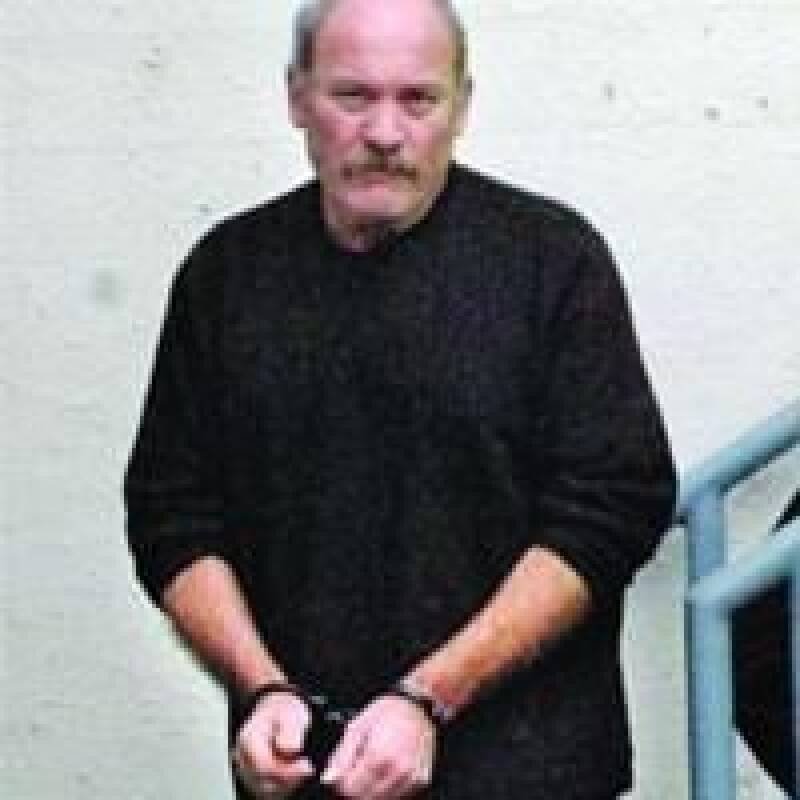
Keith Wiens, a former commander of the RCMP detachment in Summerland, British Columbia, has had his day parole extended for another six months. Wiens was convicted of manslaughter in the death of his wife, and this extension means he will remain living in a community residential facility under specific conditions.
Wiens was initially sentenced for the manslaughter of his wife. While the details of the crime are sensitive, it's important to remember the gravity of the situation and the tragic loss of life involved. Manslaughter, unlike murder, typically indicates a lack of intent to kill, but it still represents a severe crime with devastating consequences.
He was granted day parole previously, allowing him to live in a supervised setting and reintegrate into society gradually. This extension signifies that the Parole Board of Canada believes he is making progress, but still requires supervision.
This case touches on several critical issues:
The decision to extend Wiens' day parole is undoubtedly a complex one. The Parole Board likely considered several factors, including his behavior while in custody, his participation in rehabilitative programs, and his overall risk of re-offending.
In our opinion, the board is proceeding cautiously. Extending day parole allows for continued monitoring and support while Wiens transitions back into society. However, it's crucial that this transition is carefully managed, and the public's safety remains paramount.
It's also important to acknowledge the victim and her family. While the focus is often on the perpetrator after a crime, it's vital to remember the lasting impact on those who lost a loved one. Their grief and suffering should not be overlooked.
The Parole Board of Canada makes decisions based on a risk assessment, taking into account both the offender's potential for reintegration and the safety of the community. Factors considered include:
Wiens' future will depend on his continued adherence to the conditions of his parole and his ongoing progress in rehabilitation. He will likely remain under supervision for a considerable period, even after his day parole ends. The Parole Board will continually reassess his situation and make decisions based on the latest available information.
This could impact public perception of the justice system and the RCMP, particularly given Wiens' former position of authority. Transparency and accountability are crucial in these cases to maintain public trust.
Moving forward, it's vital to continue investing in programs that address domestic violence and support victims. Prevention and early intervention are key to reducing the incidence of these tragic crimes. Furthermore, ongoing evaluation of parole processes is essential to ensure that they are effective in balancing rehabilitation and public safety. In our opinion, a more open communication from the Parole Board of Canada would benefit the public and provide a clearer picture of the decision-making process.