VinFast Expands Green Vehicle Rental Program in Southeast Asia
VinFast launches EV rental program in Indonesia and the Philippines. Learn about the program, its impact on green transport, and future implications.



VinFast launches EV rental program in Indonesia and the Philippines. Learn about the program, its impact on green transport, and future implications.
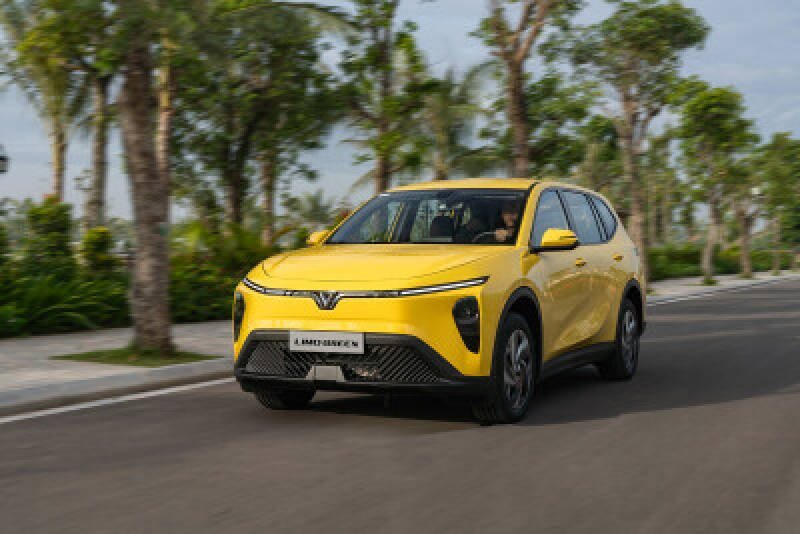
VinFast, the Vietnamese electric vehicle (EV) manufacturer, has announced a significant expansion of its electric vehicle access model in Southeast Asia. Specifically, they are introducing a rental program, complete with appealing incentives, targeted at ride-hailing and transport service drivers in both Indonesia and the Philippines. This program aims to encourage a shift towards greener transportation options in these rapidly growing markets.
The new program offers drivers the opportunity to rent VinFast electric vehicles. This rental model is designed to lower the initial barriers to EV adoption. Traditionally, the upfront cost of purchasing an electric vehicle is a significant deterrent for many drivers. By offering a rental option, VinFast removes this hurdle, making EVs accessible to a wider range of individuals.
The rental program includes a range of incentives. While specific details of these incentives were not detailed, they are likely to include attractive rental rates, maintenance packages, and possibly even charging benefits. These incentives aim to further reduce the operating costs associated with EVs, making them an attractive alternative to traditional gasoline-powered vehicles.
This announcement has several important implications:
In our opinion, VinFast's strategy is a smart move. The rental model addresses a key challenge in EV adoption: affordability. By focusing on ride-hailing drivers, VinFast is targeting a group that drives extensively and will quickly realize the cost savings associated with electric vehicles. This could impact the wider adoption of EVs as more people experience them via ride-hailing services.
The success of this program will depend on several factors, including the availability of charging infrastructure, the cost of electricity, and the reliability of the vehicles. VinFast will need to work closely with governments and other stakeholders to address these challenges. It is vital that charging stations are accessible and reliable. Further, the price of electricity needs to be lower than gasoline to make EVs truly cost-effective.
Scaling electric vehicle infrastructure in dense urban environments such as Jakarta and Manila will not be easy. Limited space, aging power grids, and bureaucratic hurdles could all slow down progress. Overcoming these obstacles will require collaboration between the public and private sectors.
The expansion of EV rental programs in Southeast Asia is likely to continue. As battery technology improves and production costs decrease, EVs will become even more competitive with traditional vehicles. This trend will be further accelerated by government policies and incentives.
Looking ahead, we expect to see more partnerships between EV manufacturers, ride-hailing companies, and charging infrastructure providers. These collaborations will be essential to creating a seamless and convenient EV experience for drivers and passengers alike. This could potentially lead to the development of specialized EV models designed specifically for ride-hailing services, optimizing for range, durability, and passenger comfort.
This initiative from VinFast could pave the way for a greener and more sustainable future for transportation in Southeast Asia. The next few years will be crucial in determining whether this vision becomes a reality.