UNFPA Reaches 5 Million Afghan Women with Vital Health Support: An Analysis
The UNFPA reports reaching 5 million women and girls in Afghanistan with health and psychosocial support. We analyze the impact and future outlook.
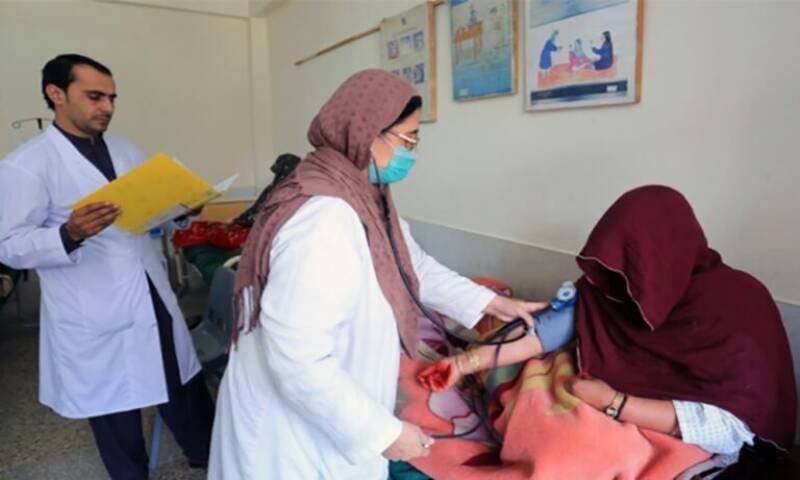



The UNFPA reports reaching 5 million women and girls in Afghanistan with health and psychosocial support. We analyze the impact and future outlook.
The United Nations Population Fund (UNFPA) recently announced a significant milestone: over 5 million women and girls in Afghanistan have received critical health and psychosocial support between 2023 and 2026. This effort, supported by the United Kingdom, spans all 34 provinces of the country and focuses on providing access to maternal care, reproductive health services, and mental health assistance. This is a vital lifeline for a population facing immense challenges.
The UNFPA's efforts encompass a wide range of crucial services, including:
These services are particularly important given the challenges facing the Afghan healthcare system and the restrictions placed on women's access to education and employment.
This news is significant for several reasons. First, it highlights the immense need for humanitarian aid in Afghanistan, particularly for women and girls. The current political and economic situation has severely impacted the healthcare system, making it even more difficult for women to access essential services. Second, it demonstrates the impact that international organizations can have when they are able to operate effectively, even in challenging environments. The UNFPA's work is a testament to the dedication of its staff and the importance of international cooperation.
In our opinion, this achievement is a beacon of hope in a very difficult situation. It shows that progress is possible, even when faced with seemingly insurmountable obstacles.
While the UNFPA's accomplishment is commendable, it's crucial to acknowledge the broader context within Afghanistan. The Taliban's policies have severely restricted women's rights, making access to healthcare even more challenging. Many healthcare workers, particularly women, have faced obstacles in continuing their work. Security concerns and logistical difficulties also complicate the delivery of aid to remote areas.
This could impact the sustainability of these programs in the long term. It's essential that the international community continues to advocate for women's rights and access to healthcare in Afghanistan.
Furthermore, the reported figures, while impressive, likely represent only a fraction of the total need. Millions more Afghan women and girls require assistance, and sustained efforts are required to ensure that everyone has access to the healthcare they need.
The future outlook for women's health in Afghanistan remains uncertain. Continued international support is essential to maintain the progress that has been made and to expand access to healthcare services. The UNFPA and other organizations must continue to work with local communities and stakeholders to ensure that their programs are culturally appropriate and sustainable.
In our view, a long-term solution requires a fundamental shift in attitudes towards women's rights and a commitment from the Afghan authorities to uphold their obligations under international law. Without this, the health and well-being of Afghan women and girls will remain at risk.
It is also crucial to monitor the effectiveness of these programs and to adapt them as needed to meet the evolving needs of the population. This includes addressing the root causes of gender inequality and promoting women's empowerment.
The UNFPA's work is a crucial step in the right direction, but it is only one piece of a much larger puzzle. The international community must remain committed to supporting the Afghan people, particularly women and girls, in their struggle for a better future.
























