Pistachio Salmonella Outbreak in Canada: What You Need to Know
A salmonella outbreak linked to pistachios is spreading across Canada. Learn about the affected provinces, potential risks, and what authorities are doing.
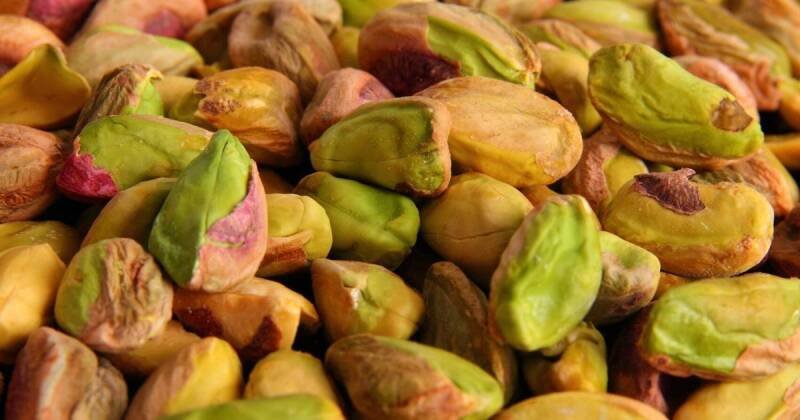



A salmonella outbreak linked to pistachios is spreading across Canada. Learn about the affected provinces, potential risks, and what authorities are doing.
A salmonella outbreak linked to pistachios is rapidly spreading across Canada, causing concern amongst health officials and consumers alike. The Public Health Agency of Canada (PHAC) has reported a significant increase in cases, particularly in Ontario. The latest figures indicate that at least 74 individuals in Ontario have been affected, with new cases also emerging in Quebec and Alberta.
While the confirmed cases are concentrated in these three provinces, the PHAC warns that the actual number of people who have fallen ill due to the contaminated pistachios is likely much higher. This is because many people who experience mild salmonella infections may not seek medical attention or get tested, leading to underreporting. It's also important to consider that there may be cases in other provinces that haven't been identified yet.
The source of the salmonella contamination has been traced back to pistachios, but the specific brand or supplier is currently under investigation. Consumers are urged to exercise caution and stay informed about any potential product recalls.
This outbreak highlights the vulnerability of our food supply chain and the potential for widespread contamination. Salmonella infections can cause a range of unpleasant symptoms, including diarrhea, fever, abdominal cramps, and vomiting. While most people recover within a week, severe cases can require hospitalization and, in rare instances, be life-threatening, especially for young children, the elderly, and individuals with weakened immune systems.
The widespread nature of this outbreak underscores the importance of robust food safety measures and swift action to identify and contain the source of contamination. It also reinforces the need for consumers to be vigilant about food safety practices, such as proper handwashing and thorough cooking of food.
In our opinion, the speed at which this outbreak has spread is alarming. It suggests a potential breakdown in quality control measures somewhere along the pistachio supply chain. The fact that cases are appearing in multiple provinces indicates a widespread distribution of the contaminated product, further complicating efforts to contain the outbreak.
This incident could impact consumer confidence in the safety of imported nuts and other food products. Increased scrutiny of food imports and stricter enforcement of food safety regulations are likely outcomes of this crisis.
It is also critical for the PHAC to quickly identify the specific brand or source of the contaminated pistachios and issue a comprehensive recall to remove the affected products from the market. Clear and consistent communication with the public is essential to prevent further illness and allay consumer fears.
The situation is still unfolding, and the number of confirmed cases may continue to rise in the coming weeks as more people get tested and reported. We anticipate that health officials will be working diligently to trace the source of the contamination and implement measures to prevent future outbreaks.
The long-term impact of this outbreak could include increased demand for domestically produced nuts and a greater emphasis on traceability within the food industry. Consumers may also become more cautious about purchasing imported food products and more likely to demand greater transparency in food labeling.
Ultimately, the success of efforts to contain this outbreak will depend on the cooperation of all stakeholders, including government agencies, food producers, retailers, and consumers. A proactive and coordinated approach is essential to protect public health and ensure the safety of our food supply.