UK Rejects £1.5bn Ardersier Port Investment: What It Means for Renewables
The UK government rejected a £1.5 billion investment in Ardersier Port by Ming Yang. We analyze the decision's impact on renewable energy and future outlook.
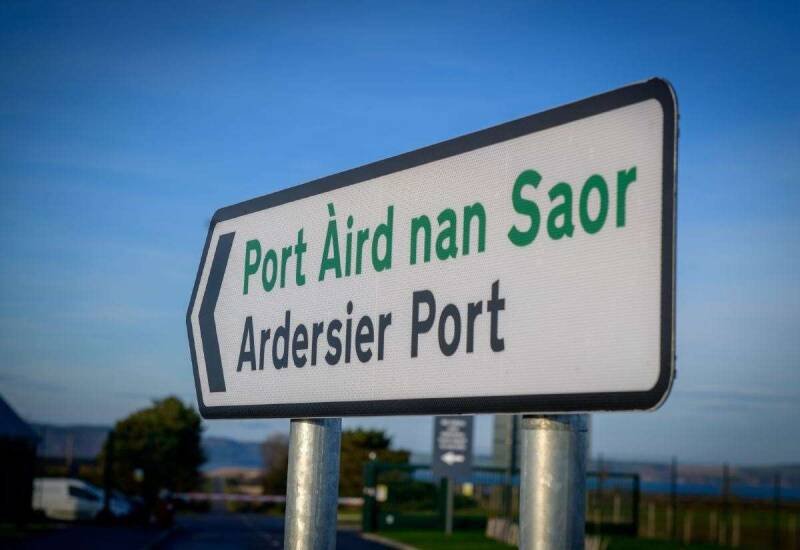



The UK government rejected a £1.5 billion investment in Ardersier Port by Ming Yang. We analyze the decision's impact on renewable energy and future outlook.
The UK government has rejected a proposed £1.5 billion investment by Chinese wind turbine manufacturer Ming Yang Smart Energy into the Ardersier Port in the Scottish Highlands. The decision has sparked controversy and raised concerns about the UK's commitment to renewable energy and attracting foreign investment. The rejection was met with strong criticism, with many calling it a "regrettable decision" and questioning the rationale behind it.
Ardersier Port, located near Inverness, Scotland, is a large deep-water port with significant potential for redevelopment. Once a major construction yard for North Sea oil platforms, it has been earmarked as a prime location for supporting the burgeoning offshore wind industry. The port's size and strategic location make it ideal for manufacturing, assembling, and servicing large wind turbine components. Revitalizing Ardersier Port could create thousands of jobs and contribute significantly to the Scottish and UK economies.
Ming Yang Smart Energy is a leading Chinese manufacturer of wind turbines. Their proposed £1.5 billion investment aimed to transform Ardersier Port into a major manufacturing hub for offshore wind turbines, specifically targeting the UK and European markets. This investment promised to create numerous skilled jobs, boost local economies, and strengthen the UK's position in the global renewable energy sector.
This decision carries significant implications for the UK's renewable energy ambitions and its relationship with foreign investors. The Ardersier Port redevelopment is considered crucial for scaling up offshore wind manufacturing in the UK, which is essential for achieving net-zero targets. Rejecting such a substantial investment could deter other foreign companies from investing in UK renewable energy projects, potentially hindering the country's progress toward a sustainable energy future. Furthermore, the loss of potential jobs and economic benefits associated with the Ardersier Port project is a significant blow to the local community and the wider Scottish economy.
In our opinion, the rejection of Ming Yang's investment raises serious questions about the UK government's priorities. While national security concerns are understandable and must be carefully considered, the potential economic and environmental benefits of this investment appear to have been undervalued. The decision sends a mixed signal to foreign investors, potentially damaging the UK's reputation as a welcoming destination for renewable energy investment. Furthermore, it hinders the development of a robust domestic wind turbine manufacturing industry, making the UK more reliant on foreign suppliers and potentially jeopardizing long-term energy security.
This could impact the UK's ability to meet its ambitious renewable energy targets. Without sufficient domestic manufacturing capacity, the UK will struggle to deploy the necessary offshore wind turbines to achieve its net-zero goals. This decision may force the UK to rely more heavily on imported components, increasing costs and potentially delaying project timelines.
The future of Ardersier Port remains uncertain. It is possible that other investors, both domestic and foreign, may emerge to fill the void left by Ming Yang. However, attracting alternative investment of a similar scale may prove challenging. The UK government needs to proactively engage with potential investors and provide clear assurances about its commitment to supporting renewable energy development. A transparent and consistent investment policy is crucial for attracting the necessary capital to achieve the UK's ambitious climate goals.
The focus now should be on finding alternative investors and ensuring the Ardersier Port project does not stall. This requires a collaborative effort between the UK government, the Scottish government, and local authorities to promote the port's potential and create an attractive investment environment. Furthermore, streamlining the regulatory process and providing financial incentives could help attract new investors and accelerate the port's redevelopment.