UAE Working Students: Lawmakers Push for Flexibility in Education
UAE lawmakers are advocating for flexible learning options for working students as in-person classes resume. Learn about the potential changes and how they could impact education and employment in the UAE.
UAE Lawmakers Advocate for Flexible Learning Options for Working Students
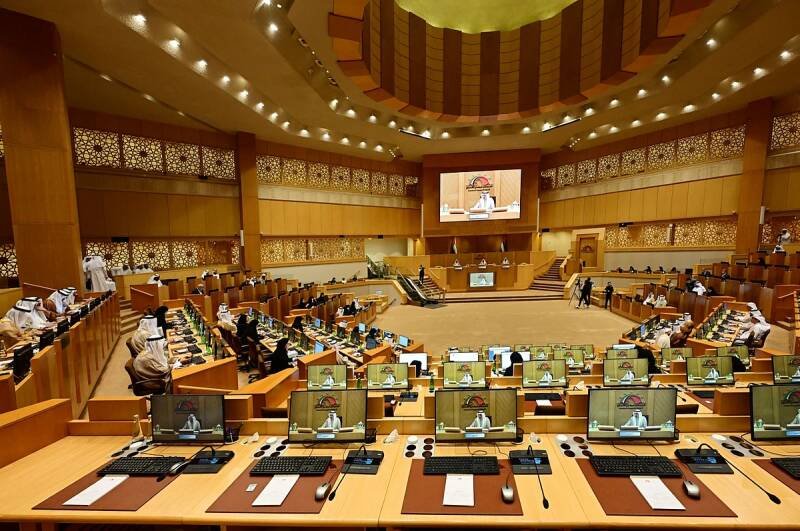
Lawmakers in the United Arab Emirates are addressing a growing concern: how to balance the demands of in-person education with the needs of students who also work. As universities and colleges increasingly return to traditional classroom settings, many students who rely on part-time employment to fund their studies are finding it difficult to manage both commitments.
The Challenge: Balancing Work and Study
The shift back to in-person classes presents a significant challenge for working students. Rigid class schedules can clash with work hours, potentially forcing students to choose between their education and their livelihoods. This situation raises concerns about student retention and access to higher education for those from lower-income backgrounds.
The current legal framework in the UAE regarding student visas and part-time work is being closely examined to identify potential areas for improvement. The goal is to create a system that supports students in achieving their academic and professional goals without undue hardship.
Why This News Matters
This issue is crucial because it directly impacts the future workforce of the UAE. By enabling working students to successfully complete their education, the UAE can ensure a more skilled and diverse labor pool. A lack of flexibility could lead to students dropping out of school, which would negatively affect the economy in the long term.
Furthermore, this move towards flexibility could set a precedent for other countries in the region facing similar challenges. It demonstrates a commitment to inclusive education and recognizes the valuable contributions of working students.
Our Analysis
In our opinion, the lawmakers' initiative is a positive step towards creating a more equitable and accessible education system. Recognizing the financial realities of many students is essential for ensuring that higher education remains attainable.
The key will be finding a balance that allows institutions to maintain academic standards while offering genuine flexibility. This could involve increased online course options, hybrid learning models, and more understanding from employers regarding students' academic commitments.
This could impact the types of jobs available to students. Employers might need to adapt their hiring practices to accommodate students' class schedules. On the flip side, it could empower students to be more selective about the types of work they undertake, prioritizing those that offer flexibility and align with their career aspirations.
Future Outlook
The discussions between lawmakers, educational institutions, and employers are likely to continue in the coming months. We anticipate seeing potential revisions to existing labor laws and student visa regulations to better support working students.
Potential changes could include:
- Greater availability of online and hybrid courses.
- Revised student visa requirements to allow for more flexible work arrangements.
- Incentives for employers to hire and accommodate working students.
- The creation of dedicated resources and support services for working students on university campuses.
Ultimately, the success of this initiative will depend on collaboration and a willingness to adapt to the evolving needs of students and the workforce. In our view, a forward-thinking approach that prioritizes both education and economic opportunity is crucial for the continued growth and prosperity of the UAE.