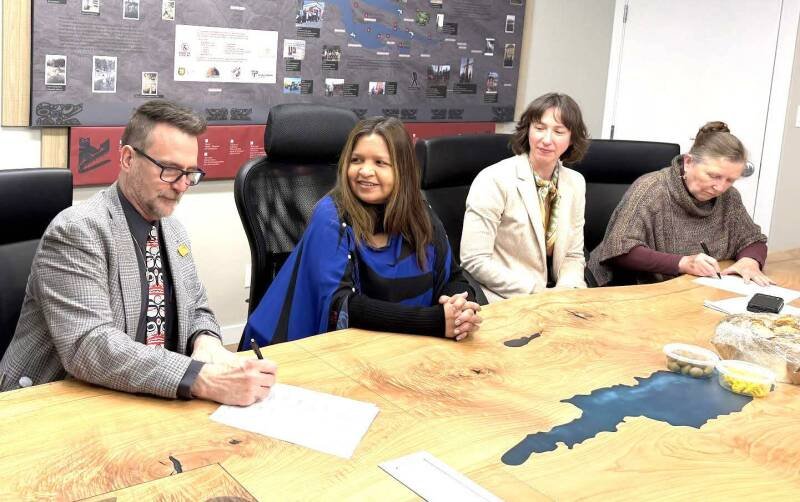
Ts'uubaa-asatx First Nation and CVRD Partner: A New Era of Collaboration
The Ts'uubaa-asatx First Nation and the Cowichan Valley Regional District (CVRD) have signed a landmark protocol framework. Learn what this agreement means for the future of the region, its impact on land management, and our analysis.
Ts'uubaa-asatx First Nation and CVRD Sign Historic Partnership Agreement
The Ts'uubaa-asatx First Nation and the Cowichan Valley Regional District (CVRD) have officially signed a protocol framework. This agreement marks a significant step forward in their relationship, paving the way for increased collaboration and shared decision-making on issues affecting the Cowichan Valley.
What is a Protocol Framework?
A protocol framework is essentially a roadmap. It's a written agreement that outlines how two or more parties will work together on specific issues. It sets the stage for improved communication, consultation, and cooperation. In this case, the framework focuses on areas of mutual interest between the Ts'uubaa-asatx First Nation and the CVRD, such as land use planning, environmental protection, and economic development.
Key Areas of Collaboration
While the specific details of the protocol framework haven't been publicly released in full, it's understood to cover key areas including:
- Land and Resource Management: This likely addresses how land use decisions are made, considering both the CVRD's regional planning objectives and the Ts'uubaa-asatx First Nation's traditional territories and rights.
- Environmental Stewardship: Collaborative efforts to protect the natural environment, including water resources, forests, and wildlife.
- Economic Development: Exploring opportunities for joint ventures and sustainable economic growth that benefit both the Ts'uubaa-asatx community and the wider Cowichan Valley.
- Cultural Heritage Preservation: Working together to protect and promote the cultural heritage of the Ts'uubaa-asatx First Nation.
Why This News Matters
This agreement is more than just a piece of paper; it symbolizes a commitment to reconciliation and partnership. It acknowledges the inherent rights and title of the Ts'uubaa-asatx First Nation and creates a structure for meaningful consultation on decisions that affect their community and traditional territories. This is crucial for building a more just and equitable future for the Cowichan Valley.
Our Analysis
In our opinion, the signing of this protocol framework is a positive development. Historically, relationships between First Nations and regional governments have been strained due to differing priorities and a lack of meaningful consultation. This framework offers a chance to bridge that gap and build a more collaborative and respectful relationship. It demonstrates a willingness on the part of both the Ts'uubaa-asatx First Nation and the CVRD to work together towards shared goals.
However, the success of this framework will depend on its implementation. It's important that both parties are committed to upholding the spirit and letter of the agreement, and that adequate resources are allocated to support its implementation.
Future Outlook
This partnership could impact future development and land use decisions within the Cowichan Valley. Businesses, developers, and residents should anticipate greater scrutiny of projects that could potentially impact Ts'uubaa-asatx traditional territories or cultural heritage. A collaborative and respectful approach will be increasingly important for navigating the approval processes.
The long-term success of this framework will depend on the continued commitment of both the Ts'uubaa-asatx First Nation and the CVRD to building a strong and sustainable partnership. Regular communication, ongoing dialogue, and a willingness to compromise will be essential for achieving the goals outlined in the agreement. This also creates a valuable precedent for other First Nations and regional governments to follow, fostering a more inclusive and collaborative approach to governance across British Columbia.
Furthermore, this collaborative approach could lead to innovative solutions for addressing regional challenges, such as climate change, resource management, and economic diversification, that benefit the entire Cowichan Valley community. The active participation and voices of Indigenous communities are crucial to developing sustainable and culturally appropriate solutions to those challenges.