Trump Administration Claims Success Against ACA Fraud: A Closer Look
The Trump administration claims progress in fighting Affordable Care Act (ACA) fraud while pushing for stricter controls. We analyze the claims and what it means for consumers.
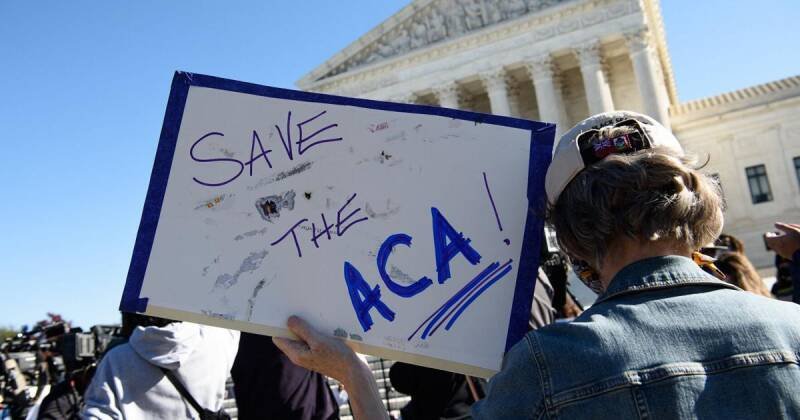



The Trump administration claims progress in fighting Affordable Care Act (ACA) fraud while pushing for stricter controls. We analyze the claims and what it means for consumers.
The Trump administration has recently stated that they've made progress in tackling fraud within the Affordable Care Act (ACA), also known as Obamacare. For years, concerns about fraudulent enrollments in the federal health insurance marketplace have been a persistent issue. Now, while claiming victories, the administration is also advocating for even tighter controls.
ACA enrollment fraud typically involves individuals providing false information during the application process to obtain health insurance coverage they might not otherwise qualify for. This can range from misrepresenting income to falsely claiming eligibility for subsidies. Such fraud can drive up costs for everyone in the insurance pool, impacting premiums and overall healthcare affordability.
This news is important for several reasons:
While the Trump administration is highlighting its successes, it's important to examine the context. Claims of success should be backed by concrete data and measurable metrics. We need to see specific numbers on how much fraud has been reduced and the methods used to achieve these reductions. Without this information, it's difficult to fully assess the validity of the claims.
Furthermore, the call for more controls raises questions. Are the existing controls insufficient? What specific new controls are being proposed, and what impact will they have on legitimate enrollees? Will these controls create unnecessary hurdles for people who genuinely need affordable healthcare?
In our opinion, a balanced approach is crucial. Robust fraud prevention measures are essential, but they should not come at the expense of accessibility and affordability for those who rely on the ACA for their healthcare.
The administration's push for more controls could potentially lead to:
The future of ACA fraud prevention hinges on the balance between effective controls and accessible enrollment. It is likely there will be continued debate and refinement of policies as the landscape evolves. We anticipate seeing:
This could impact insurance providers. More rigorous fraud prevention can reduce payouts, improving their profitability and allowing them to be more competitive.
Ultimately, the goal should be to ensure the integrity of the ACA while safeguarding access to affordable healthcare for all Americans. Achieving this requires transparency, data-driven decision-making, and a commitment to addressing the needs of both consumers and taxpayers.