Tower PC vs. Mini PC: Choosing the Right Computer for Your Needs
Comparing Tower PCs and Mini PCs: Discover the key differences in performance, size, expandability, and cost to make the best choice for your computing needs.
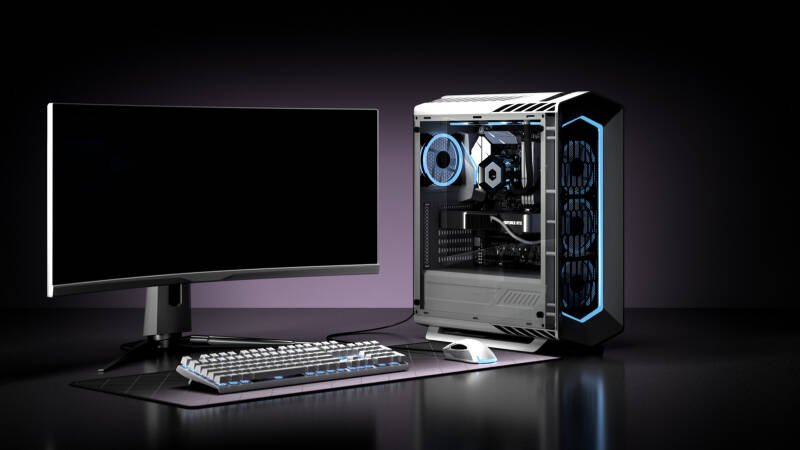



Comparing Tower PCs and Mini PCs: Discover the key differences in performance, size, expandability, and cost to make the best choice for your computing needs.
Choosing the right computer can be tricky. Laptops are portable but sometimes lack power. Traditional tower PCs offer performance, but take up a lot of space. Enter the Mini PC – a compact alternative aiming to bridge the gap. But how do you decide between a tower PC and a Mini PC? Let's break it down.
Tower PCs are the classic desktop design. They are large, rectangular boxes with plenty of internal space for components. Mini PCs, on the other hand, are significantly smaller – some are even small enough to fit in the palm of your hand.
Generally, tower PCs offer superior performance. They can accommodate more powerful processors (CPUs) and graphics cards (GPUs), leading to faster processing speeds and better graphics rendering. This makes them ideal for demanding tasks like gaming, video editing, and running complex software.
Mini PCs have come a long way, but they still often use lower-power components to manage heat and size constraints. This means they might not be the best choice for resource-intensive applications. However, for everyday tasks like web browsing, word processing, and streaming video, a Mini PC can be more than adequate.
If gaming is a priority, a tower PC is generally the better choice. Tower PCs offer the space and power necessary to support dedicated graphics cards, which are crucial for smooth gameplay at higher resolutions and settings. While some higher-end Mini PCs are entering the gaming arena, they often require external GPUs or make significant compromises on performance.
This is where Mini PCs really shine. Their small size makes them ideal for space-constrained environments like small offices, home entertainment setups, or digital signage applications. Tower PCs, by contrast, require a dedicated space on or under a desk.
Tower PCs offer much greater expandability. They typically have multiple expansion slots for adding graphics cards, sound cards, storage drives, and other peripherals. Mini PCs are usually more limited in this regard, often relying on external devices connected via USB or Thunderbolt. While some mini PCs allow RAM and storage upgrades, the expandability of the GPU is generally impossible.
The price difference between tower PCs and Mini PCs can vary greatly depending on the components used. Generally, a tower PC with comparable performance to a Mini PC will cost more. However, a high-end Mini PC with all the bells and whistles can be just as expensive, if not more so, than a mid-range tower PC. Keep your budget and performance needs in mind during the shopping process.
Understanding the differences between tower PCs and Mini PCs allows consumers to make informed decisions about their computing needs. This comparison helps users choose the right form factor for their specific use case, optimizing their budget and maximizing their productivity or entertainment experience. This knowledge is important in the fast-paced tech world.
In our opinion, the choice between a tower PC and a Mini PC comes down to your individual needs and priorities. If you need maximum performance and expandability for demanding tasks like gaming or video editing, a tower PC is still the clear winner. However, if space is a concern and you primarily use your computer for everyday tasks, a Mini PC offers a compelling combination of portability and affordability. It's worth noting the rise of cloud gaming and cloud computing, which can offload heavy tasks from the local machine. This could significantly reduce the need for raw processing power on the end-user's computer.
The future of Mini PCs looks bright. As technology advances, we can expect to see even more powerful and compact Mini PCs with improved performance and features. The gap between tower PCs and Mini PCs in terms of performance will likely continue to narrow. Also, the environmental benefits of using smaller, more power-efficient devices will make Mini PCs increasingly attractive. We also anticipate better integration of cloud services with Mini PCs, allowing for seamless access to powerful computing resources on demand. This could impact how consumers choose their next computer system.
























