The Hidden Struggles of Being "The Strong One": A Personal Story and What It Means for Everyone
A deeply personal story reveals the burden of always being "the strong one," highlighting the importance of vulnerability and mental health support. Includes analysis and future outlook.
The Silent Burden: When "The Strong One" Breaks Down
We all know someone who seems to have it all together. The person everyone turns to in a crisis, the one who offers unwavering support, the rock in a storm. But what happens when that "strong one" needs help themselves? One man's deeply personal experience sheds light on the hidden struggles and emotional toll of constantly being the pillar of strength for others.
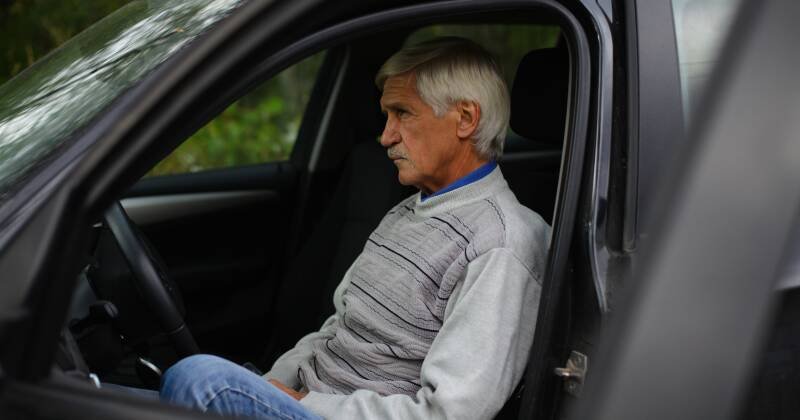
The story, shared widely online, recounts the moment this individual, accustomed to being the go-to person, found himself overwhelmed and alone, sobbing in his car. The most heartbreaking realization? There was no one he felt he could call.
The Price of Unwavering Strength
This poignant moment underscores a critical issue: the expectation that some individuals must always be strong can prevent them from seeking help when they need it most. They become trapped by their own image, fearing vulnerability will shatter the perception others have of them.
Why This News Matters
This isn't just one person's isolated experience; it's a reflection of a societal problem. We often place undue pressure on individuals to be perpetually strong, especially men. This expectation can lead to:
- Suppressed Emotions: Individuals may bottle up their feelings, leading to increased stress, anxiety, and depression.
- Isolation: Fear of appearing weak can prevent people from reaching out to their support networks.
- Burnout: Constantly providing emotional support to others without receiving it in return can lead to emotional exhaustion.
- Delayed Help-Seeking: Waiting until a crisis point to seek help can make recovery more challenging.
Our Analysis
In our opinion, this story highlights the urgent need to redefine what it means to be "strong." True strength isn't about suppressing emotions; it's about acknowledging them and seeking support when needed. We believe society must foster a culture where vulnerability is not seen as a weakness, but as a sign of courage and self-awareness.
The article also brings attention to the issue of emotional labor. The expectation of always being available and supportive can become a significant burden, particularly for individuals who naturally take on a caregiver role. It is critical to have boundaries and learn to prioritize self-care.
The Impact on Men's Mental Health
While this experience is universal to people of all genders, it particularly resonates with men, who are often socialized to suppress their emotions and avoid seeking help. The stigma surrounding mental health can prevent men from accessing the support they need, leading to higher rates of suicide and substance abuse.
Future Outlook
This story has the potential to spark a crucial conversation about mental health, emotional well-being, and the importance of building strong support systems. We believe that open dialogue and increased awareness can lead to:
- Reduced Stigma: Creating a more accepting and supportive environment for those struggling with their mental health.
- Increased Help-Seeking: Encouraging individuals to reach out for support when they need it, without fear of judgment.
- Stronger Support Networks: Fostering communities where people feel comfortable sharing their vulnerabilities and offering support to others.
- Improved Mental Health Resources: Advocating for greater access to affordable and effective mental health services.
This could impact how we view strength and resilience. Moving forward, it’s vital to normalize vulnerability and make it easier for everyone, especially those who are traditionally seen as "the strong ones," to ask for help.
Ultimately, the ability to acknowledge our vulnerabilities and seek support is a testament to our strength, not a sign of weakness. By embracing vulnerability, we can build stronger relationships, improve our mental health, and create a more compassionate and supportive society for everyone.