The Economic Impact of War: A Deep Dive Analysis
Explore the multifaceted ways war, even if short-lived, can negatively impact the economy. We analyze Trump's war and the future outlook.



Explore the multifaceted ways war, even if short-lived, can negatively impact the economy. We analyze Trump's war and the future outlook.
War, regardless of its duration, leaves deep scars, not just on lives, but also on the economy. It's a complex web of disruption, increased spending, and long-term consequences. Let's delve into how a conflict, even one that ends relatively quickly, can crater an economy.
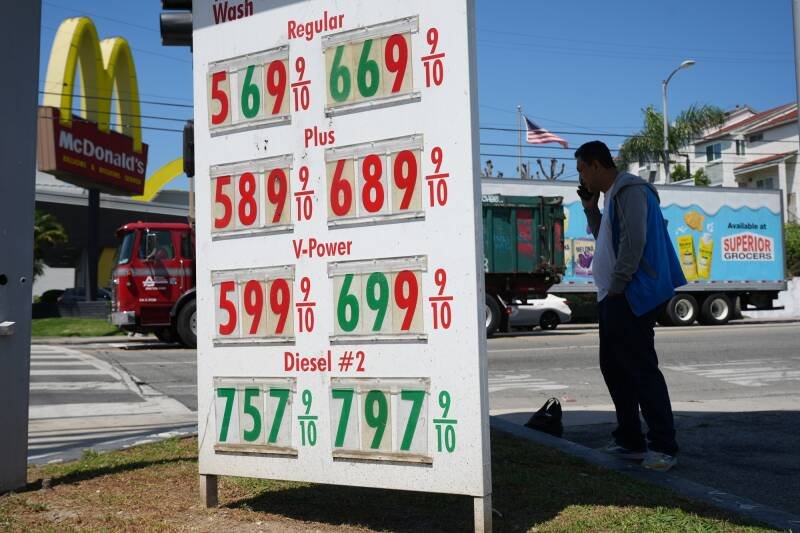
The immediate and obvious consequence of war is increased government spending. Resources are diverted to military production, troop deployment, and humanitarian aid. This can lead to a surge in demand for goods and services, potentially fueling inflation. Think about the increased demand for raw materials like steel and oil, as well as manufactured goods like weapons and vehicles. Prices inevitably rise.
Beyond spending, war disrupts supply chains. Trade routes are blocked, factories are damaged, and labor is diverted to military service. This creates shortages of essential goods and further contributes to inflation. Farmers might be unable to harvest crops, factories might be bombed, and transportation networks might be destroyed, leading to widespread shortages and price increases.
Furthermore, war creates uncertainty, which can lead to decreased investment. Businesses are hesitant to expand or undertake new projects when the future is uncertain. Investors might pull their money out of the country, leading to a decline in the value of the currency. People are less likely to spend money on big purchases if they're worried about their job security or the future of the economy.
Understanding the economic consequences of war is crucial for several reasons. First, it allows us to make informed decisions about foreign policy. We need to weigh the costs and benefits of military intervention, not just in terms of human lives, but also in terms of economic impact. Second, it helps us prepare for the aftermath of conflict. We need to have policies in place to address inflation, rebuild infrastructure, and support displaced workers.
The ripple effects of economic disruption caused by war can affect everything from food prices to housing costs, impacting everyday lives. This ultimately affects people's sense of security and wellbeing.
In our opinion, the article's assertion about the faltering war economy is a critical reminder of the true cost of conflict. While the immediate focus is often on military strategy and political implications, the economic ramifications can be far-reaching and long-lasting. The argument about Trump's war potentially cratering the economy, even if short-lived, highlights the importance of considering these hidden costs when evaluating foreign policy decisions.
We believe that the article effectively underlines the need for policymakers to carefully assess the economic risks of military intervention and to develop strategies for mitigating the negative consequences. Simply put, war's economic impact is not just a side effect, but an integral part of the conflict equation.
Looking ahead, the economic consequences of conflict are likely to become even more pronounced due to increasing global interconnectedness. Disruptions to supply chains in one region can have cascading effects around the world. Furthermore, the rise of cyber warfare and economic sanctions adds another layer of complexity to the economic landscape of conflict.
This could impact international relations and trade. Increased government debt from military spending could also strain public finances, leading to cuts in social programs or increased taxes. It's vital that global leaders work together to develop strategies for managing the economic risks of conflict and for promoting sustainable peace and development. We believe a global approach is needed.