Tax Scams on the Rise: Protect Yourself This Tax Season
Tax scams are increasing this year. Learn how to identify and avoid them with our expert analysis and future outlook. Stay safe and protect your finances!



Tax scams are increasing this year. Learn how to identify and avoid them with our expert analysis and future outlook. Stay safe and protect your finances!
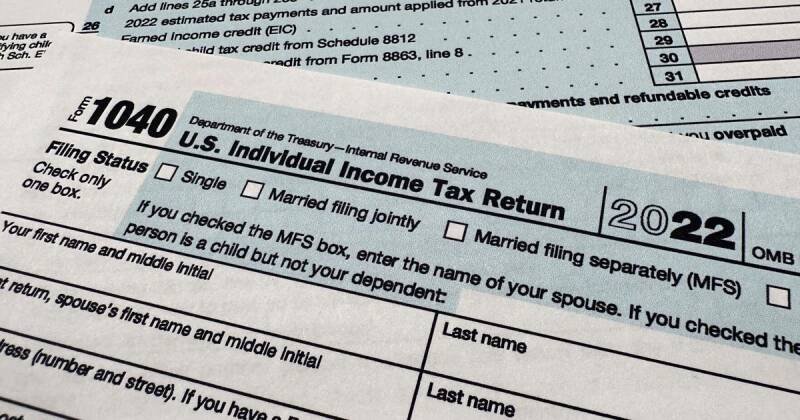
The tax season can be stressful enough without having to worry about scammers trying to steal your hard-earned money or your identity. Unfortunately, the Consumer Protection Bureau of the Federal Trade Commission (FTC) has reported a significant increase in tax-related scams this year. This includes more robocalls, deceptive text messages, and convincing phishing emails designed to trick you into giving up your personal information.
These scams often target individuals who are already feeling anxious about taxes. Scammers prey on this vulnerability by impersonating the IRS or other government agencies. They might threaten you with arrest or legal action if you don't immediately pay a fake tax bill. Alternatively, they might promise you a large refund in exchange for your bank account details.
The rise in tax scams is alarming because these scams can have devastating consequences for victims. Identity theft, financial loss, and damaged credit are just some of the potential outcomes. Furthermore, these scams are becoming increasingly sophisticated, making it harder for individuals to distinguish them from legitimate communications.
This news matters because it highlights the importance of staying vigilant and informed during tax season. Awareness is the first line of defense against these scams. By understanding the tactics used by scammers, you can significantly reduce your risk of becoming a victim.
In our opinion, the increase in tax scams is likely driven by a combination of factors, including advancements in technology that make it easier for scammers to reach a large number of people, and the inherent complexity of the tax system, which creates confusion and vulnerability among taxpayers.
The FTC's warning is timely and crucial. It serves as a reminder that we all need to be extra cautious when dealing with unsolicited communications about taxes. The IRS generally communicates with taxpayers through mail, not through phone calls, emails, or text messages demanding immediate payment.
Unfortunately, we anticipate that tax scams will continue to evolve and become even more sophisticated in the future. Scammers are constantly adapting their tactics to evade detection and exploit new vulnerabilities. This could impact taxpayers even more severely if preventative measures are not taken.
Moving forward, it is essential for government agencies, tax professionals, and individuals to work together to combat these scams. This includes:
Here are some practical tips to help you avoid becoming a victim of tax scams:
By staying informed and taking proactive steps to protect yourself, you can minimize your risk of falling victim to tax scams and safeguard your financial well-being.