South Korea's Economy: Luxury Boom and Budget Buys Signal a Divided Consumer Market
South Korea's consumer market is splitting, with surging demand for luxury goods and ultra-cheap items, while mid-priced products struggle. Learn why this matters and what it means for the future.
South Korea's Economy: Luxury Boom and Budget Buys Signal a Divided Consumer Market
South Korea's consumer market is experiencing a fascinating, and somewhat worrying, shift. Forget the middle ground – consumers are either flocking to ultra-cheap goods or indulging in high-end luxury items. Mid-priced products are increasingly being left on the shelves, signaling a deep division in spending habits.
The Rise of the Extremes
Retail executives are noting a clear trend: "There is no middle." This means fewer and fewer people are buying those "in-between" priced items. It's either rock-bottom prices or top-tier luxury. This phenomenon is driven by a combination of factors, primarily high inflation and rising interest rates.
One homemaker, Kim Sun-hwa, highlights this shift. Where she once bought clothes for her children from popular brands, she now only considers affordable SPA (Specialty Retailer of Private Label Apparel) brands like Uniqlo, H&M, and Zara. "Prices keep rising, but income isn't, so ordinary people have less room to spend," she explains.
On one end of the spectrum, stores like Daiso (a dollar store chain) and SPA brands are thriving by offering affordable options. On the other, luxury jewelry and bags priced in the tens of millions of won are flying off the shelves. This stark contrast paints a picture of a "K-shaped" economy, where some sectors flourish while others struggle.
Ultra-Low Prices: A Survival Strategy
The demand for ultra-low-priced goods is booming. Chains like Daiso are seeing significant growth. Daiso posted 4.54 trillion won in sales and 442.4 billion won in operating profit last year. Major retailers like Emart and Lotte Mart are also jumping on the bandwagon, launching budget lifestyle shops and private-label products at lower prices.
Professor Lee Eun-hee of Inha University describes this as "a strategic business model that stimulates consumption in an era of high inflation," rather than simply a one-off discount.
Luxury's Unstoppable Appeal
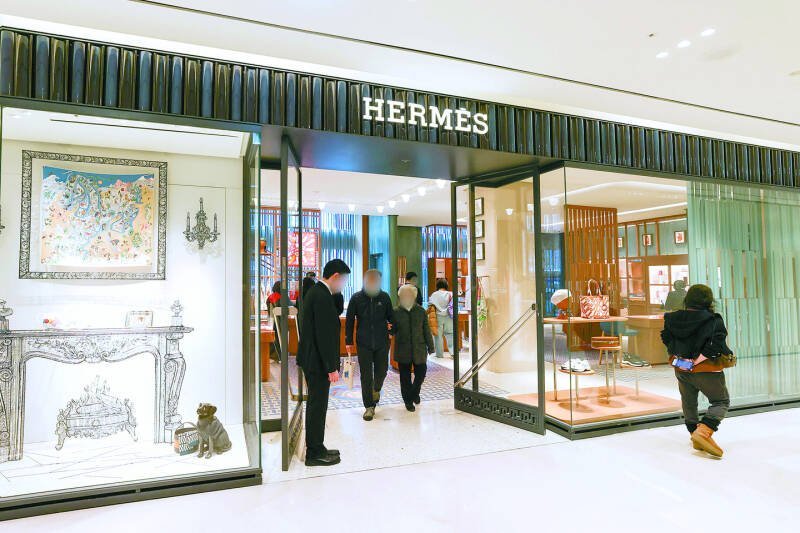
Despite economic pressures, the luxury market in South Korea remains resilient. Sales of high-end jewelry are soaring, defying the global trend of slowing luxury demand. In March, sales of luxury jewelry at Lotte, Shinsegae and Hyundai Department Store rose an average of 59.6 percent. Total sales of 14 major luxury brand subsidiaries in Korea reached 9.27 trillion won last year. Department stores are actively investing in attracting these brands, recognizing their power to drive customer spending.
Why This News Matters
This division in consumer spending has significant implications for the South Korean economy. It reflects and exacerbates existing income inequality, potentially leading to social and economic instability. A healthy economy needs a strong middle class with consistent spending habits. The current trend suggests this foundation is weakening.
This trend could also affect businesses. Companies that sell mid-range goods may need to pivot, adjust their pricing, or risk losing market share.
Our Analysis
In our opinion, this trend is a direct consequence of widening income inequality and persistent inflation. The government needs to address these fundamental issues to create a more balanced and sustainable economic environment. The "K-shaped" recovery is not a sustainable model. It benefits a select few while leaving a large portion of the population behind. This also indicates a potential shift in societal values, with some consumers prioritizing conspicuous consumption as a status symbol, even during challenging economic times. This is evidenced by the Veblen effect, where demand increases as prices rise because of the item's status symbol.
Future Outlook
The future of South Korea's consumer market hinges on the government's ability to tackle income inequality and inflation. If these issues remain unaddressed, we can expect the current trend to continue, leading to further polarization and potential economic instability. The future of mid-range businesses depends on their ability to innovate, adapt to changing consumer preferences, and compete with both ultra-cheap and luxury offerings.
This could impact global luxury brands, with Korea potentially becoming an even more important market. However, they also need to be aware of the ethical implications of catering to a market increasingly defined by wealth inequality. Overall, South Korea's consumer market presents both opportunities and challenges for businesses and policymakers alike.