Sheriff's Deputy Found Not Guilty in Fatal Crash: What it Means
A Missoula jury acquitted a sheriff's deputy of speeding in a fatal crash. We break down the verdict, its implications, and what it could mean for future emergency response procedures.



A Missoula jury acquitted a sheriff's deputy of speeding in a fatal crash. We break down the verdict, its implications, and what it could mean for future emergency response procedures.
A jury in Missoula, Montana, has found a sheriff's deputy not guilty of speeding in connection with a fatal crash. This verdict has sparked considerable debate and raises important questions about emergency response protocols and accountability. The case centered around whether the deputy's actions, specifically the lack of emergency lights and sirens, contributed to the tragic accident.
The prosecution argued that the deputy should be held responsible for the crash because he allegedly failed to activate his emergency lights and sirens while responding to a call. They contended that this omission contributed to the collision and subsequent fatality. The defense, however, maintained that the deputy was acting within the scope of his duties and that his actions were justified under the circumstances.
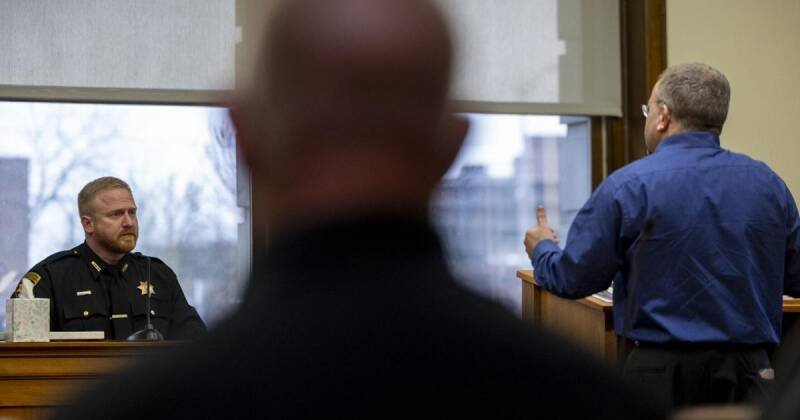
The trial involved testimony from witnesses, accident reconstruction experts, and the deputy himself. The jury was tasked with determining whether the deputy's speed and actions constituted negligence that led to the fatal crash. After deliberations, they reached a verdict of not guilty.
This verdict has significant implications for law enforcement and the communities they serve. It highlights the complexities and difficult decisions officers face when responding to emergencies. It also raises questions about the balance between swift response and public safety.
Specifically, this case could influence how emergency response protocols are reviewed and implemented. Law enforcement agencies may re-evaluate their policies regarding the use of emergency lights and sirens, considering factors such as the nature of the call, traffic conditions, and potential risks to the public.
In our opinion, this case underscores the challenges of assigning blame in tragic accidents, especially when they involve split-second decisions made under pressure. While it's natural to seek accountability, it's crucial to consider all the circumstances surrounding the incident. The jury's decision suggests that they believed the prosecution failed to prove beyond a reasonable doubt that the deputy's actions were negligent and directly caused the fatality.
It's important to note that the absence of emergency lights and sirens doesn't automatically equate to negligence. There may have been valid reasons for the deputy's decision, such as minimizing the risk of startling other drivers or avoiding drawing undue attention to the situation. However, the lack of these measures made other drivers less aware and able to react to the approaching emergency vehicle.
This case also brings into sharp focus the public perception of law enforcement. When tragedies occur, the community understandably demands answers and accountability. Balancing this need with the complexities of police work is a delicate and often contentious process.
This verdict will likely lead to further discussions and scrutiny of law enforcement practices in Missoula and beyond. We anticipate the following developments:
This case reminds us that the margin for error in emergency situations is razor-thin, and the consequences can be devastating. It is essential for law enforcement agencies, policymakers, and the public to engage in constructive dialogue to ensure that emergency response protocols are effective, safe, and accountable. This could impact community trust and officer safety in the long term.
Ultimately, the goal should be to create a system that prioritizes public safety while empowering officers to make sound decisions in challenging circumstances.