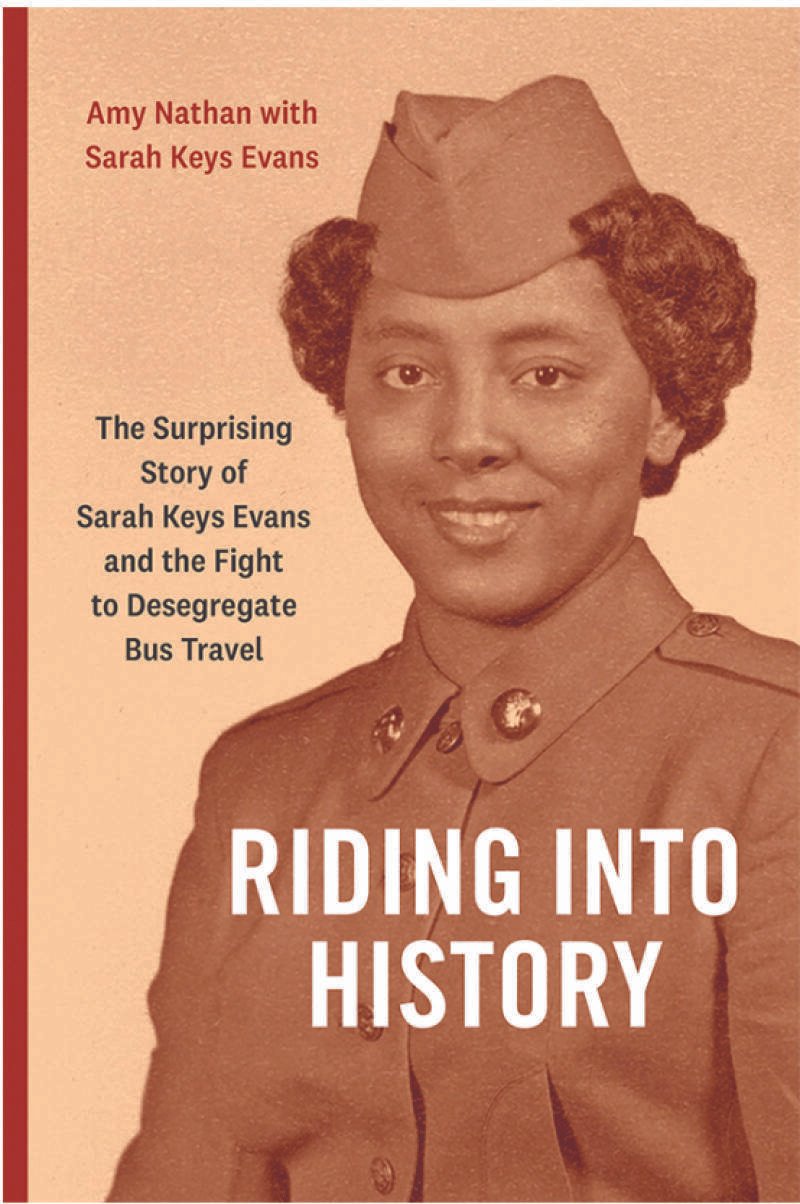
Sarah Keys Evans: Honoring the Woman Who Desegregated Interstate Travel
Discover the story of Sarah Keys Evans, the Washington, N.C. native whose landmark 1950s bus case helped desegregate interstate travel, and learn why her legacy still matters today.
Sarah Keys Evans: Remembering a Civil Rights Hero
Washington, North Carolina, recently held a special celebration, from April 17th to 19th, to honor the remarkable legacy of Sarah Keys Evans. This trailblazing woman, a native of Washington, played a pivotal role in the fight against segregation in interstate travel during the 1950s. The weekend featured talks, book signings, and official proclamations, all designed to recognize and celebrate her enduring contributions to civil rights.
Who Was Sarah Keys Evans?
Sarah Keys Evans was more than just a name in a history book; she was a courageous young woman who stood up against injustice. In 1952, while serving in the Women's Army Corps, she was denied passage on a bus traveling from North Carolina to New Jersey because of her race. This blatant act of discrimination ignited a fire within her, leading her to file a complaint with the Interstate Commerce Commission (ICC).
This act of defiance ultimately led to the landmark Sarah Keys v. Carolina Coach Company case. The ICC ruled in her favor in 1955, declaring that segregation on interstate buses violated the Interstate Commerce Act. This ruling was a significant step towards ending segregation in interstate transportation, predating the more widely known Boynton v. Virginia Supreme Court case in 1960 which built upon this decision.
Why This News Matters
The story of Sarah Keys Evans is crucial for understanding the broader context of the Civil Rights Movement. While figures like Rosa Parks and Martin Luther King Jr. are household names, individuals like Sarah Keys Evans often remain in the shadows. Recognizing her contribution shines a light on the many unsung heroes who fought tirelessly for equality. Her case demonstrated that change often comes from the courage of ordinary individuals who refuse to accept injustice.
Furthermore, remembering Sarah Keys Evans reminds us that the fight for civil rights is far from over. Her story is a potent reminder of the discriminatory practices that were once legal and the importance of remaining vigilant against all forms of prejudice and inequality. It's a lesson in the power of individual action to effect meaningful change.
Our Analysis
In our opinion, the recognition of Sarah Keys Evans is long overdue. Her case, while not as widely publicized as others, played a vital role in dismantling segregation. The recent celebration in Washington, N.C., is a positive step towards correcting this historical oversight. It highlights the importance of preserving and sharing the stories of those who fought for justice, even when their contributions were not immediately recognized.
The impact of her case extended beyond just interstate travel. It set a legal precedent that was later used in other civil rights cases, contributing to the broader movement for equality. This could impact how future generations view the civil rights movement and understand the diverse range of individuals who contributed to it.
Future Outlook
Moving forward, it is crucial to continue amplifying the stories of lesser-known civil rights heroes like Sarah Keys Evans. This can be achieved through educational programs, museum exhibits, and historical markers. By ensuring that these stories are told and remembered, we can inspire future generations to stand up against injustice and work towards a more equitable society.
We believe that increased awareness of her story will empower others to take similar action when faced with injustice. Further research into the specific legal strategies used in her case could also provide valuable insights for contemporary civil rights advocacy. It is also vital to teach children about the numerous everyday heroes who made enormous differences in our journey to equality.
The celebration in Washington, N.C., serves as a powerful reminder that even one person can make a significant difference. The legacy of Sarah Keys Evans will continue to inspire and motivate individuals to challenge injustice and fight for a more just and equitable world for all.