Rogers Pass Skiing Accident: Skier Death Highlights Avalanche Risks
A skier tragically died in Rogers Pass after being swept down a peak by a "sluff" avalanche. This article analyzes the incident, explains avalanche dangers, and provides safety advice for backcountry enthusiasts.
Tragedy Strikes Rogers Pass: Skier Dies in Avalanche Accident
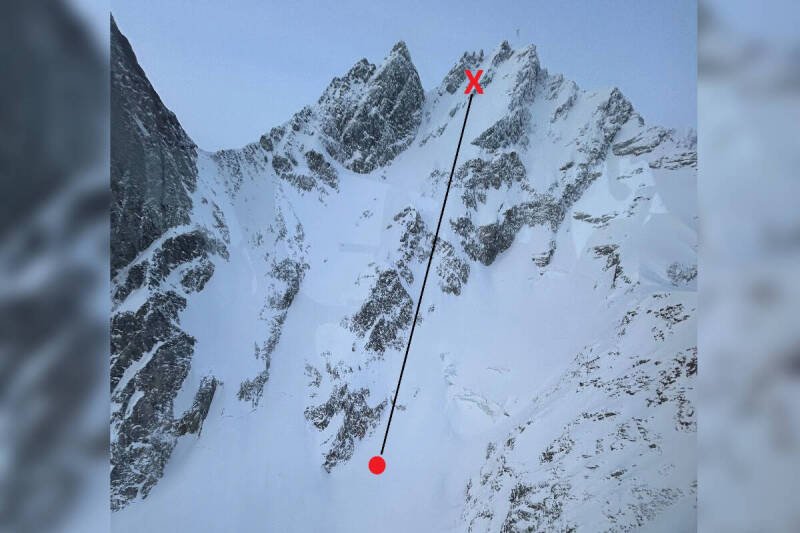
A skier tragically lost their life on March 30th in Rogers Pass, British Columbia, after being caught in a loose-snow avalanche, often referred to as a "sluff." Parks Canada confirmed the incident, stating the skier was swept approximately 600 meters down Swiss Peak.
What Happened?
The incident occurred on Swiss Peak, a popular backcountry skiing destination within Rogers Pass. The skier was caught in a "sluff," a type of avalanche caused by loose, unconsolidated snow releasing and sliding downhill. In this case, the sluff was powerful enough to sweep the skier a significant distance down the mountain, resulting in fatal injuries. Details on whether the skier was skiing alone are not clear at this time.
Why This News Matters
This tragic event serves as a stark reminder of the inherent dangers associated with backcountry skiing and snowboarding, particularly during periods of unstable snow conditions. Rogers Pass is known for its challenging terrain and frequent avalanche activity. Understanding avalanche risks and taking appropriate safety precautions is crucial for anyone venturing into the backcountry. This incident highlights the fact that even seemingly small avalanches, like sluffs, can have devastating consequences.
Our Analysis
Understanding "Sluff" Avalanches
Sluffs are often underestimated, but they can be surprisingly dangerous. They are characterized by loose, surface snow that detaches and flows downhill, creating a fast-moving current. While typically smaller than slab avalanches (where a cohesive layer of snow breaks away), sluffs can still knock skiers off their feet, bury them in snow, or, as tragically demonstrated in this case, sweep them down steep slopes. The recent warm weather and variable conditions could have contributed to a weakening of the snowpack, making it more prone to sluffing.
The Importance of Avalanche Safety Education
In our opinion, this incident underscores the critical importance of avalanche safety education, proper equipment, and cautious decision-making. Before heading into the backcountry, skiers and snowboarders should:
- Check the avalanche forecast from Avalanche Canada.
- Carry essential safety gear: a transceiver, shovel, and probe.
- Know how to use the safety gear. Practice is essential!
- Assess the terrain and snow conditions carefully.
- Be aware of potential hazards, such as steep slopes and terrain traps.
- Ski or ride with a partner.
Rogers Pass: A High-Risk Environment
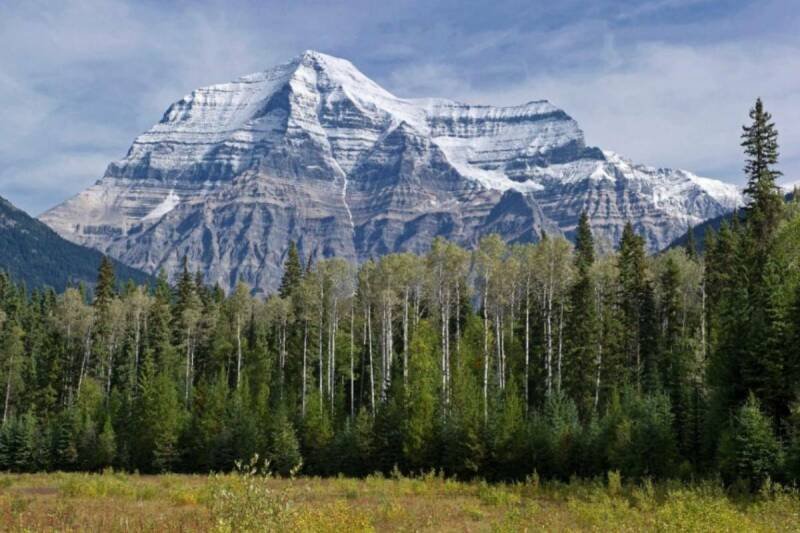
Rogers Pass is renowned for its incredible skiing, but it also presents significant avalanche risks due to its steep terrain, heavy snowfall, and variable weather patterns. Parks Canada actively monitors avalanche conditions in the area and provides avalanche forecasts. Backcountry users should always check these forecasts before heading out and be prepared to adjust their plans based on the information provided.
Future Outlook
Potential Impact on Backcountry Access
This tragedy could impact backcountry access policies in Rogers Pass. Parks Canada may implement stricter regulations or increase monitoring efforts in high-risk areas. Increased public awareness campaigns on avalanche safety are also likely. This could impact local backcountry tourism.
The Need for Continued Vigilance
Avalanche safety is an ongoing process, not a one-time event. Snow conditions are constantly changing, and it's essential to stay informed and adapt your behavior accordingly. Continued investment in avalanche forecasting, education, and rescue resources is crucial to minimize the risk of future tragedies.
A Time for Reflection and Learning
Our thoughts are with the victim's family and friends. This tragic event should prompt all backcountry enthusiasts to reflect on their own safety practices and commit to making informed decisions in the mountains. By prioritizing safety and respecting the power of nature, we can help prevent future tragedies and ensure that the backcountry remains a place of enjoyment and adventure for all.