Ratlam Groundwater Crisis: Severe Water Scarcity Deepens
Ratlam district faces a worsening groundwater crisis, with Piploda tehsil already experiencing severe water scarcity. Learn about the causes, impacts, and potential solutions.
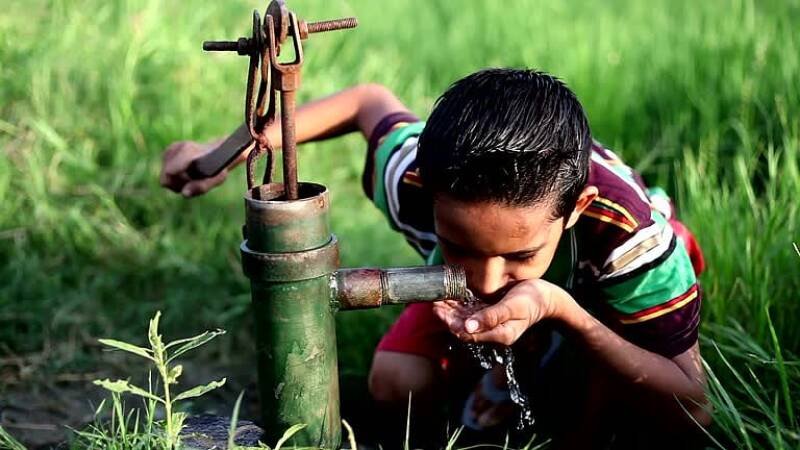



Ratlam district faces a worsening groundwater crisis, with Piploda tehsil already experiencing severe water scarcity. Learn about the causes, impacts, and potential solutions.
Ratlam district in Madhya Pradesh is facing a severe groundwater crisis, with conditions rapidly deteriorating. The situation is particularly dire in Piploda tehsil, where the onset of summer has triggered significant water scarcity. This news highlights a growing concern across the region and demands immediate attention.
The groundwater development stage in Ratlam has surpassed 126%. This number signifies that the district is extracting more groundwater than is being naturally replenished. In simple terms, we're taking out more water than is going back in. This unsustainable practice is leading to rapidly declining water tables and increased difficulty in accessing water for drinking, agriculture, and other essential needs.
This isn't just a local problem; it's a symptom of a larger issue affecting many parts of India and the world. Water scarcity can lead to:
Therefore, addressing this issue is paramount for the overall well-being and stability of the Ratlam district and serves as a warning for other regions facing similar challenges. The long-term effects of ignoring this crisis could be devastating.
In response to the escalating crisis, authorities have initiated some conservation measures. These include:
While these measures are a step in the right direction, their effectiveness in addressing the root causes of the problem remains to be seen. In our opinion, a more comprehensive and long-term strategy is needed.
The groundwater crisis in Ratlam is likely a combination of factors, including:
Simply building check dams and restricting borewells might not be enough. A holistic approach that addresses these underlying issues is crucial. This includes promoting water-efficient agriculture, raising awareness about water conservation, and investing in rainwater harvesting infrastructure. It's also vital to regulate groundwater extraction more effectively.
The future outlook for Ratlam's groundwater situation is uncertain. If current trends continue, the district could face even more severe water shortages in the coming years. This could impact agriculture, livelihoods, and overall quality of life. This could impact the area and surrounding regions with increased poverty and the need for governmental assistance.
However, with concerted efforts and a commitment to sustainable water management, it is possible to reverse this trend. This requires:
The situation in Ratlam is a wake-up call. It highlights the urgent need for proactive and sustainable water management practices to ensure water security for future generations. The choices we make today will determine whether Ratlam, and other regions facing similar challenges, can thrive in the face of a changing climate.
























