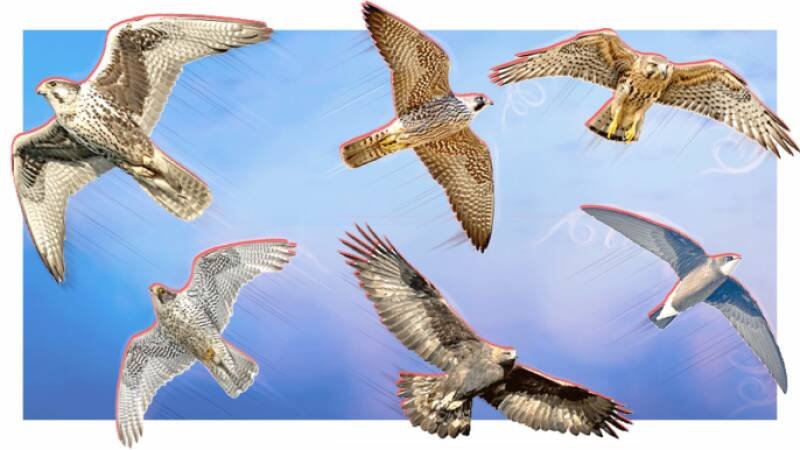
Peregrine Falcon: The World's Fastest Bird and Why You Should Care
Discover fascinating facts about the Peregrine Falcon, the fastest animal on Earth. Learn about its hunting techniques, habitat, and why its conservation matters.
Peregrine Falcon: More Than Just a Fast Flyer
The Peregrine Falcon, a bird of prey found across the globe, is more than just another feathered friend. It holds the title of the fastest animal on Earth, reaching incredible speeds during its hunting dives. These magnificent birds are truly remarkable creatures, and understanding them is crucial for appreciating the natural world.
A Global Citizen with a Need for Speed
Peregrine Falcons are incredibly adaptable. They call almost every continent home, except for Antarctica. You can find them nesting on cliffs, along coastlines, and even in the heart of bustling cities. This adaptability showcases their resilience, but it also makes them vulnerable to human activities.
These birds are renowned for their spectacular hunting technique. Instead of simply chasing after prey, they climb to a great height and then dive, or "stoop," towards their target. During these dives, they can reach speeds exceeding 200 mph (320 km/h)! It's a breathtaking display of power and precision. They typically strike their prey – usually other birds – mid-air with a stunning accuracy that makes them extremely successful hunters.
Why This News Matters
The Peregrine Falcon's story is intrinsically linked to the health of our environment. Their widespread distribution means they act as important indicators of ecosystem well-being. When Peregrine Falcon populations decline, it can signal problems with pollution, habitat loss, or other environmental stressors. Protecting these magnificent birds means protecting the environment as a whole. Their comeback from near extinction in the mid-20th century due to DDT contamination also shows us the positive impact of focused conservation efforts.
Our Analysis
The adaptability of Peregrine Falcons to urban environments is particularly noteworthy. While they naturally nest on cliffs, they have successfully adapted to using skyscrapers and other tall buildings as artificial cliffs. This highlights their capacity to adjust to changing landscapes.
However, this adaptation also presents challenges. Urban environments can expose them to new threats, such as collisions with buildings, electrocution from power lines, and exposure to rodenticides (poisons used to kill rats and mice). Careful urban planning and wildlife-friendly building designs are essential to ensure the long-term survival of these birds in urban areas.
In our opinion, increased public awareness about these challenges is crucial. Simple measures, such as using bird-safe glass on buildings and promoting responsible pest control practices, can make a significant difference.
Future Outlook
The future of the Peregrine Falcon hinges on continued conservation efforts and proactive measures to mitigate the threats they face. Several factors could affect their future.
* **Climate Change:** Shifts in climate patterns could alter their prey availability and nesting habitats.
* **Habitat Loss:** Ongoing development and habitat destruction could reduce suitable nesting sites.
* **Pollution:** Exposure to environmental toxins could weaken their health and reproductive success.
This could impact the success of this species, and continued monitoring and research are essential to understand these potential impacts and adapt conservation strategies accordingly.
Looking ahead, we believe a multi-pronged approach is necessary. This includes:
- Protecting and restoring key nesting habitats.
- Implementing bird-safe building designs in urban areas.
- Promoting responsible pest control practices.
- Educating the public about the importance of Peregrine Falcon conservation.
By working together, we can ensure that these magnificent birds continue to soar through our skies for generations to come. Let's appreciate the speed, resilience, and ecological significance of the Peregrine Falcon.