Pennsylvania Felony Murder Law Reform Stalls: What It Means for the Future
Pennsylvania's felony murder law reform faces delays. We break down the implications, analyze the situation, and explore the future outlook.



Pennsylvania's felony murder law reform faces delays. We break down the implications, analyze the situation, and explore the future outlook.
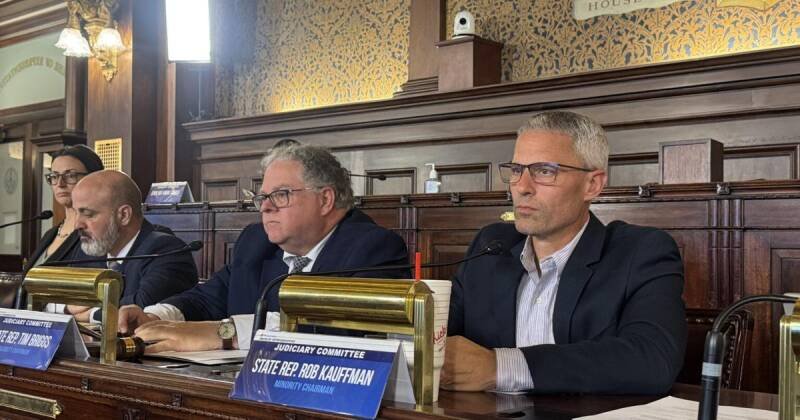
A critical deadline looms in Pennsylvania regarding the state's felony murder law. With just 102 days remaining, advocates are expressing growing concern over the stalled progress of a bill aimed at reforming the law. The Pennsylvania Supreme Court has mandated that lawmakers address the issue, raising the stakes considerably.
Last month, the Pennsylvania Supreme Court issued a landmark ruling. They declared that mandatory life sentences for individuals convicted of second-degree murder are unconstitutional. The court argued that these sentences violate the state's prohibition against cruel and unusual punishment. The ruling gave the legislature 120 days to devise a legislative solution that aligns with constitutional principles.
Second-degree murder, in this context, typically refers to felony murder. This means someone can be convicted of murder even if they didn't directly kill the victim, but were involved in a felony (like robbery) during which someone was killed. The court's decision suggests that punishing all participants in such a felony with a mandatory life sentence is unduly harsh.
This issue is crucial for several reasons:
The delay in addressing this issue is concerning. The Supreme Court has provided clear guidance, and the legislature's inaction could have serious consequences. In our opinion, the delay is likely due to political disagreements and the complexity of crafting legislation that balances justice, accountability, and constitutional rights.
The current situation highlights a tension between different perspectives on criminal justice. Some prioritize holding all participants in a felony accountable for any resulting deaths, while others emphasize the importance of individualized culpability and proportionate sentencing. Finding common ground between these perspectives is essential for effective reform.
Several factors may be contributing to the stalled progress:
The future of felony murder law reform in Pennsylvania remains uncertain. If the legislature fails to act within the 120-day timeframe, the courts may intervene further. This could potentially lead to the release of individuals currently serving mandatory life sentences for felony murder.
This could impact the victims and their families. The potential release of convicted felons may spark public outrage and fuel further debate about the appropriate punishment for serious crimes. The legislature needs to find an effective solution while keeping the safety of the public in mind.
Moving forward, it is crucial for lawmakers to prioritize compromise and collaboration. A well-crafted bill that addresses the constitutional concerns raised by the Supreme Court while also ensuring accountability for serious crimes is essential. The outcome of this process will have a significant impact on the lives of countless individuals and the future of criminal justice in Pennsylvania.
In the coming weeks, we will be closely monitoring the progress of this legislation and providing updates as they become available. The stakes are high, and the future of felony murder law in Pennsylvania hangs in the balance.