Iran War, Energy Crisis, and China's Clean Tech Advantage
How the Iran war and global energy crisis are accelerating China's dominance in clean technologies, potentially reshaping global power dynamics.
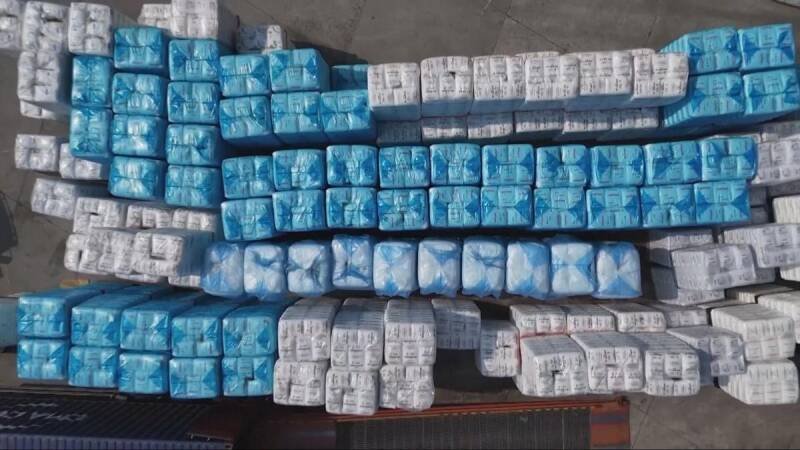



How the Iran war and global energy crisis are accelerating China's dominance in clean technologies, potentially reshaping global power dynamics.
The ongoing tensions surrounding Iran, coupled with a global energy crisis, are creating a perfect storm that is significantly boosting China's position in the clean technology sector. Experts suggest that this trend will likely continue even if the conflict de-escalates, solidifying China's global influence in the long run.
The current geopolitical instability, particularly concerning Iran's role in the Middle East, is driving up energy prices and creating uncertainty about the stability of traditional oil and gas supplies. This situation is forcing nations to look for alternative, more secure, and sustainable energy sources. Renewable energy technologies like solar, wind, and electric vehicles are becoming increasingly attractive options.
Countries are now realizing that relying solely on fossil fuels makes them vulnerable to geopolitical shocks. The need for energy independence and security is accelerating the adoption of clean technologies globally.
This news matters because it signals a significant shift in global power dynamics. The energy crisis is not just about higher prices at the pump; it's about national security, economic stability, and the future of our planet. China's dominance in clean tech could give it considerable leverage in international relations and trade, reshaping the world order. Furthermore, understanding these dynamics is crucial for businesses and governments alike to make informed decisions about energy investments and policies.
In our opinion, China's strategic focus on clean technology over the past decade is now paying off handsomely. While other nations were slower to invest in renewables and electric vehicles, China aggressively pursued these technologies, building a robust domestic industry and securing key supply chains. They have positioned themselves as the world's leading manufacturer of solar panels, wind turbines, and electric vehicle batteries. This head start gives them a considerable advantage in a world increasingly demanding clean energy solutions.
This could impact nations reliant on fossil fuel imports as they scramble to secure alternative energy sources. Countries without established clean tech industries may find themselves dependent on China for these essential technologies, potentially leading to new forms of economic dependence.
China's control over critical minerals, used in the production of batteries and other clean tech components, further strengthens its position. This control gives them significant pricing power and influence over the entire clean technology supply chain. The West needs to play catch up in securing it's own supply lines.
The future looks bright for China's clean tech sector. As the global demand for renewable energy continues to rise, China is well-positioned to capitalize on this trend. We anticipate that China will continue to invest heavily in research and development, further solidifying its technological lead. We predict increased exports of clean energy technologies from China to countries seeking to decarbonize their economies.
The West faces a critical challenge: either invest aggressively in domestic clean tech industries to compete with China or risk becoming increasingly dependent on a single dominant player. This is especially true for the US and Europe who are already reliant on China for large amounts of their clean tech products.
This shift could impact industries beyond energy. Electric vehicles, for example, are transforming the automotive industry, and China is poised to become a leading exporter of EVs. Nations will need to adapt their industries and workforces to compete in this changing landscape.
Ultimately, the confluence of the Iran war and the global energy crisis is accelerating the transition to a cleaner, more sustainable energy future. However, it's also creating a new set of geopolitical challenges, with China emerging as a potential superpower in the clean energy era.