Parisian Engineer Wins Picasso Painting in Charity Raffle
A Parisian engineer won a Picasso painting worth over €1 million in a charity raffle. Learn why this matters and what it could mean for art accessibility.



A Parisian engineer won a Picasso painting worth over €1 million in a charity raffle. Learn why this matters and what it could mean for art accessibility.
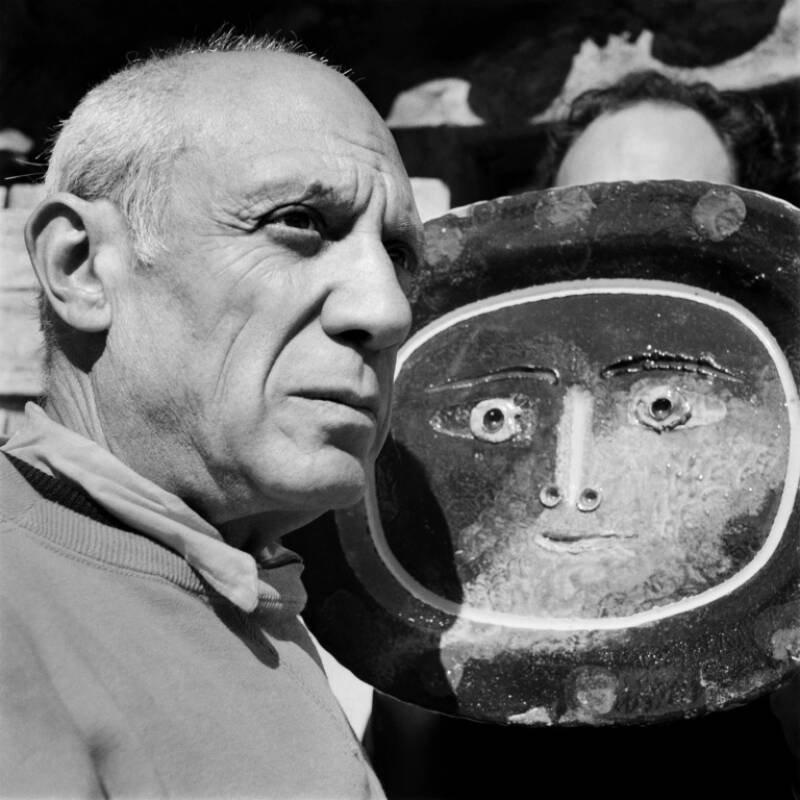
In a surprising turn of events, an engineer from Paris has become the proud owner of an original Picasso painting. The lucky winner scooped up the masterpiece, valued at over one million euros, at a charity raffle held in Paris on Tuesday. This isn't your typical auction; it was a raffle designed to raise funds for a worthy cause.
Unlike traditional art auctions where wealthy collectors battle it out, this raffle offered a more democratic approach. Tickets were sold to the public, giving anyone the chance to own a piece of art history. The funds raised from the raffle will be donated to a charity focused on providing clean water to communities in need. This unique method not only generated substantial funds for a good cause but also brought the excitement of art ownership to a broader audience.
This event highlights a shift in how art can be acquired and appreciated. It demonstrates the potential for innovative approaches to fundraising that simultaneously democratize access to high-value art. The raffle model bypasses the exclusivity often associated with the art world, offering ordinary individuals a chance to own a significant artwork.
This story is important because it shows art doesn't have to be confined to galleries and the super-rich. It can be a tool for good, and accessible to more people than we might think. It challenges the conventional perception of art ownership and investment, potentially opening doors for future initiatives.
In our opinion, this raffle is a significant step towards democratizing the art world. For decades, fine art has been seen as a privilege reserved for the wealthy elite. This event proves that alternative models can exist, allowing people from all walks of life to engage with and even own valuable art. The raffle format, in particular, makes the possibility of owning a masterpiece less like a pipe dream and more like a tangible opportunity.
This could impact the art market by potentially encouraging similar initiatives. If successful, we might see more raffles and similar events that offer a chance to own unique art pieces, disrupting the traditional auction house model. This could also attract a new generation of art enthusiasts and collectors who previously felt excluded from the market.
The success of this Picasso raffle may inspire other charities and organizations to adopt similar strategies. We anticipate seeing more raffles and similar events featuring valuable artworks in the future. This could lead to a more inclusive and accessible art market, benefiting both artists and the public.
The traditional landscape of art ownership is likely to evolve. With increased accessibility and alternative acquisition methods, we may witness a shift in who owns art and how they engage with it. This could lead to new forms of appreciation and investment, further diversifying the art world.
Ultimately, the Parisian engineer's win is more than just a personal stroke of luck. It represents a potential turning point in how we perceive art ownership and its role in society. It highlights the potential for creativity and innovation to make art more accessible and impactful for everyone. This is definitely something we will be watching closely!