No More Tickets Onboard Belgian Trains: What It Means For You
As of July 1st, you can no longer buy train tickets onboard in Belgium. We break down the changes, why they're happening, and what to expect.
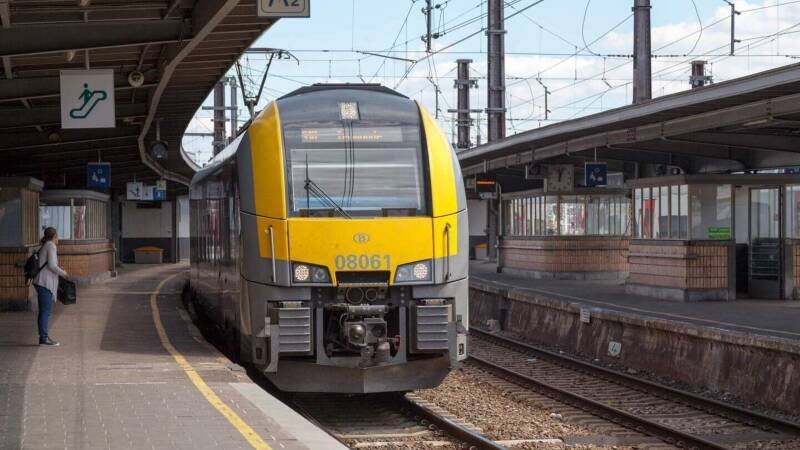



As of July 1st, you can no longer buy train tickets onboard in Belgium. We break down the changes, why they're happening, and what to expect.
Big changes are coming to train travel in Belgium. Starting July 1st, passengers will no longer be able to purchase tickets directly from conductors on board Belgian trains. This new policy, implemented by SNCB (the Belgian National Railway Company), aims to tackle fare evasion and improve safety for train staff.
Simply put, if you don't have a valid ticket before boarding the train, you'll be considered in violation of the rules. Previously, passengers could board without a ticket and purchase one from the conductor, often at a slightly higher price. This option will no longer exist.
Instead, passengers are now expected to buy their tickets through other channels:
If you board a train without a valid ticket, you risk a fine. SNCB has not yet clarified the exact amount of the fine, but it's likely to be significantly higher than the cost of a standard ticket.
This change represents a significant shift in how train tickets are managed in Belgium. It directly affects the passenger experience, potentially making travel more inconvenient for some while aiming to improve efficiency and security. For tourists unfamiliar with the system, this could lead to unexpected fines if they are unaware of the new rules.
SNCB's rationale behind this decision is twofold: to reduce fare evasion and to protect staff. Fare evasion has been a persistent problem for railway operators worldwide, leading to revenue losses. By eliminating onboard ticket sales, SNCB aims to encourage passengers to purchase tickets in advance, thereby boosting revenue and ensuring a fairer system for paying customers. In our opinion, this is a logical step to improve financial stability.
The second, and arguably more important, reason is staff safety. Onboard ticket sales can sometimes lead to confrontations between conductors and passengers, particularly when passengers are unwilling to pay or dispute the fare. Eliminating this interaction reduces the risk of verbal or physical assaults on train staff. This is a vital point; ensuring the safety and well-being of employees is paramount.
While the new policy may offer benefits, it also presents potential drawbacks. Elderly individuals or those with limited access to technology may find it challenging to purchase tickets online or through ticket machines. Similarly, tourists who are unfamiliar with the ticketing system could be caught off guard and penalized. SNCB will need to ensure that sufficient support is provided to these groups to minimize disruption.
The success of this policy hinges on effective communication and accessibility. SNCB needs to proactively inform passengers about the changes and ensure that alternative ticketing channels are user-friendly and readily available. This could impact customer satisfaction in the short-term, but will likely increase the satisfaction once it becomes standard policy.
In the long term, we expect to see a reduction in fare evasion and improved safety for train staff. However, it's crucial for SNCB to continuously monitor the policy's impact and make adjustments as needed. For example, they might consider offering assistance to vulnerable passengers or implementing a grace period for tourists.
It's also possible that SNCB will explore other technological solutions, such as contactless payment systems or mobile ticketing options, to further streamline the ticketing process. This could make train travel more convenient and efficient for everyone. Ultimately, the goal is to create a public transportation system that is both fair and accessible to all.