Nepal's Anti-Corruption Probe Stalls: What It Means for the Future
Nepal's ambitious anti-corruption drive hits a snag as the asset investigation committee deadline is missed. Learn what this means for transparency and the future of governance in Nepal.
Nepal's Anti-Corruption Probe Stalls: What It Means for the Future
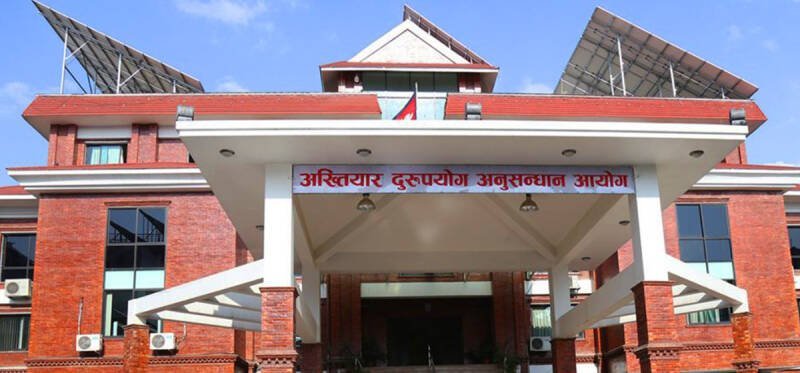
Nepal's recently announced anti-corruption initiative has hit a snag. The government, under Prime Minister Balen Shah, failed to meet its own deadline for establishing a high-level committee dedicated to investigating hidden wealth and tackling corruption. This delay raises concerns about the commitment and effectiveness of the government's anti-corruption efforts.
The Initial Promise
On March 27th, the government declared its intention to form a powerful committee to probe corruption, illicit wealth, and impunity. This announcement was met with cautious optimism, as it signaled a potential shift towards greater accountability and transparency within the Nepalese government and public sector.
Deadline Missed, Doubts Raised
The government had set a 15-day deadline for the formation of this crucial asset investigation committee. However, that deadline has now passed, leaving many wondering why the delay and what it signifies for the future of this anti-corruption drive. The failure to meet the initial deadline casts a shadow over the entire initiative, suggesting potential roadblocks or a lack of political will.
Why This News Matters
This delay is significant for several reasons. Firstly, it erodes public trust. When the government makes promises and fails to deliver, it fuels cynicism and distrust among citizens. Secondly, it sends a signal to potential wrongdoers that the government might not be as serious about tackling corruption as it initially appeared. Finally, a strong anti-corruption drive is essential for Nepal's economic development and stability. Corruption diverts resources away from crucial sectors like healthcare, education, and infrastructure, hindering progress and exacerbating inequality.
Our Analysis
In our opinion, the missed deadline reflects deeper issues within the Nepalese political landscape. It could indicate resistance from vested interests who benefit from the current system of corruption. It also suggests that the government may be facing internal challenges in building consensus and securing the necessary resources and expertise to carry out such a complex investigation. It is also possible that the government underestimated the logistical and legal hurdles involved in establishing such a committee. The speed at which these investigations were promised might have been unrealistic.
The lack of clarity surrounding the reasons for the delay is also concerning. A transparent explanation from the government would help to alleviate some of the concerns and demonstrate a continued commitment to the anti-corruption agenda. Without transparency, speculation and distrust will continue to grow.
Future Outlook
The future of Nepal's anti-corruption drive remains uncertain. While the missed deadline is a setback, it doesn't necessarily mean the initiative is dead. The government still has the opportunity to regain momentum by:
- Promptly announcing the formation of the asset investigation committee.
- Providing a clear and transparent explanation for the delay.
- Ensuring the committee is adequately resourced and empowered to carry out its mandate effectively.
- Demonstrating a genuine commitment to accountability and transparency at all levels of government.
This could impact international investors. Foreign businesses are often wary of investing in countries with high levels of corruption, fearing that their investments may be vulnerable to bribery or extortion. By tackling corruption, Nepal can create a more attractive and stable environment for foreign investment, boosting economic growth and creating jobs.
Ultimately, the success of Nepal's anti-corruption efforts will depend on the government's unwavering commitment, the independence and integrity of the investigation committee, and the active participation of citizens and civil society organizations. Nepal's future stability and prosperity depend on a commitment to transparency and good governance.