Motability Black Box Rule: What You Need to Know
New Motability 'black box' rule impacts first-time leases and drivers under 30. Learn about the implications, how it works, and what to expect.
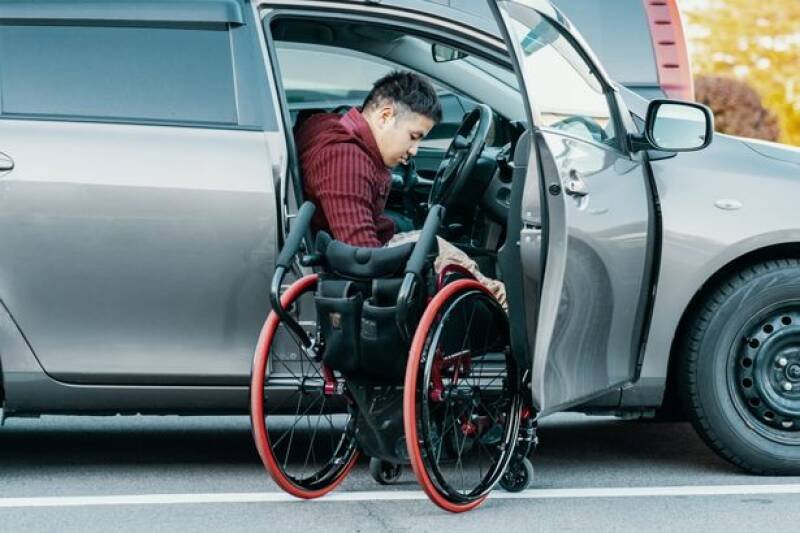



New Motability 'black box' rule impacts first-time leases and drivers under 30. Learn about the implications, how it works, and what to expect.
A new rule implemented by Motability, the UK charity providing cars to disabled people, is now in effect. This rule involves the use of "black box" telematics devices to monitor driving behavior. The changes primarily affect first-time Motability Scheme leases and all drivers under the age of 30 leasing a car through the scheme.
The rule, which went into full effect on April 13th, means that these drivers will have their driving monitored. If they receive four "red ratings" within a year, their Motability lease could be terminated, resulting in the removal of their car.
A telematics device, often referred to as a "black box," is a small piece of technology installed in a vehicle. It records data about how the car is being driven. This data typically includes:
This information is then transmitted to Motability (or a third-party provider working on their behalf) and used to assess driving behavior. The system then assigns a score or rating based on how safely (or unsafely) the car is being driven.
While the specifics of the scoring system haven't been disclosed, the system reportedly assigns ratings (likely green, amber, and red). Accumulating four "red ratings" within a rolling 12-month period triggers a review of the lease. It's important to understand that these ratings aren't about blame; it is designed to help people drive more safely.
This new rule is significant for several reasons:
In our opinion, this rule is a double-edged sword. On one hand, it could significantly improve road safety and encourage more responsible driving. The technology can help younger drivers identify and correct potentially dangerous habits. The potential to reduce insurance costs is also a significant benefit that could enable Motability to help even more people.
However, there are also potential downsides. The privacy implications of constant monitoring are a concern for some. There is also the risk of unfairly penalizing drivers for momentary lapses in judgment or unforeseen circumstances. It will be crucial for Motability to implement the rule fairly and transparently, with clear appeal processes in place. Also the criteria for what constitutes a “red rating” needs to be publicly available and easily understood. Also, the focus should be less on punishment, and more on support and guidance.
This new rule is likely to evolve over time. Motability may refine the scoring system based on the data collected and feedback from drivers. We anticipate that other insurance companies may also begin implementing similar telematics programs for young or new drivers. This could impact overall insurance costs and driving behavior across the UK.
Furthermore, the success of this program could influence other disability schemes and organizations to adopt similar monitoring systems. It will be essential to track the program's impact on accident rates, insurance costs, and driver satisfaction to fully assess its effectiveness.
The coming months will be crucial in observing how this new rule is implemented and the impact it has on Motability Scheme participants. The intention is to promote safety, however, how this will be achieved in practice is yet to be observed. In our opinion, communication and transparency will be key to success.