Middle East Conflict Impacts UK Fish and Chip Shops: Here's Why
The Middle East conflict is causing price hikes and supply chain disruptions affecting UK fish and chip shops. Learn how this impacts consumers and the industry.



The Middle East conflict is causing price hikes and supply chain disruptions affecting UK fish and chip shops. Learn how this impacts consumers and the industry.
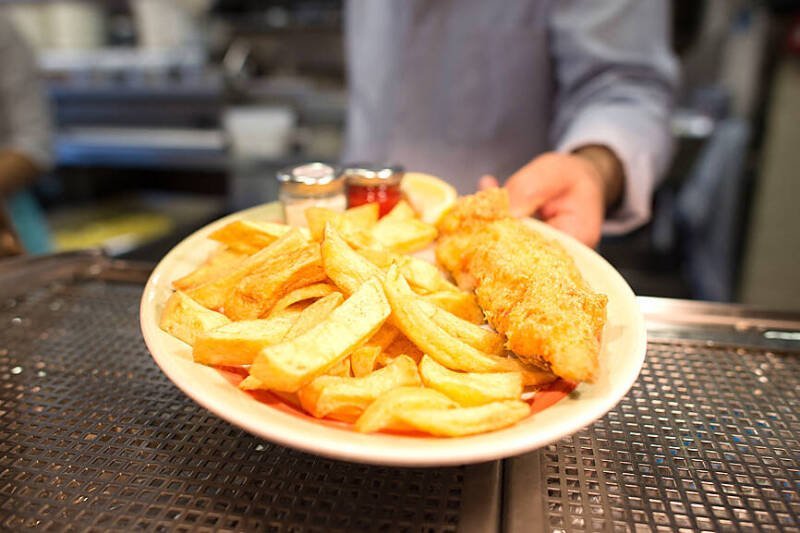
The ongoing conflict in the Middle East is having a surprising impact thousands of miles away: it's squeezing the UK's beloved fish and chip shops. Rising prices and supply chain disruptions are making it harder and more expensive for these businesses to serve up their classic meals.
A key ingredient in frying fish and chips is sunflower oil, and a significant portion of the UK's sunflower oil supply comes from the Black Sea region. The conflict has severely disrupted this supply chain, leading to shortages and skyrocketing prices. This isn't just about sunflower oil though - other crucial ingredients like fish and packaging are also experiencing price increases, compounding the problem.
Many shops are also looking for alternative sources of cooking oil, such as rapeseed oil or palm oil, but those prices are also rising due to increased demand. This means smaller profit margins, and inevitably, higher prices for customers.
The humble fish and chip shop is a British institution. It's more than just a meal; it's a cultural cornerstone. The difficulties faced by these businesses highlight the interconnectedness of the global economy and how conflicts in one region can have far-reaching consequences. This situation directly affects consumers who are already grappling with the rising cost of living. Moreover, the problems faced by fish and chip shops are mirrored across other sectors of the food industry. If prices continue to rise, it could mean a decline in eating out which is a real issue for our local communities.
The impact on fish and chip shops is a microcosm of a larger global issue: supply chain vulnerability. The conflict is exposing weaknesses in systems that were already strained by the COVID-19 pandemic. Diversifying supply chains and exploring alternative sourcing options will be critical for businesses to navigate these challenges in the future. In our opinion, the government should consider offering targeted support to small businesses like fish and chip shops, perhaps through tax relief or subsidies, to help them weather this storm.
This situation also raises concerns about food security and affordability. As prices for essential goods like fish and chips increase, lower-income households will be disproportionately affected. This could lead to increased food insecurity and further exacerbate existing social inequalities. It's a sobering reminder of how global events can directly impact everyday lives.
The future of the fish and chip industry, and indeed, many other food-related businesses, hinges on several factors. The duration and intensity of the conflict in the Middle East will play a crucial role. A prolonged conflict will likely exacerbate supply chain disruptions and price increases. The ability of businesses to adapt and find alternative sourcing options will also be critical. Government support, if forthcoming, could provide a much-needed lifeline.
This could impact consumer behavior as well. Faced with higher prices, some people may choose to eat out less frequently or opt for cheaper alternatives. This could lead to a decline in sales for fish and chip shops and potentially force some to close their doors. On the other hand, some could choose to support their local fish and chips more than ever!
Ultimately, the resilience and adaptability of the fish and chip industry will be tested in the coming months. While the challenges are significant, the cultural significance of this beloved dish and the ingenuity of business owners may prove to be a winning combination.