Metro Vancouver Fireball Season: What You Need to Know
Metro Vancouver is experiencing "fireball season," a time when more meteors streak across the sky. Learn why this happens, and what to expect.



Metro Vancouver is experiencing "fireball season," a time when more meteors streak across the sky. Learn why this happens, and what to expect.
Metro Vancouver residents might have noticed more dazzling streaks of light in the night sky lately. That's because the region, along with the rest of the Northern Hemisphere, is currently experiencing what's known as "fireball season." But what exactly does that mean?
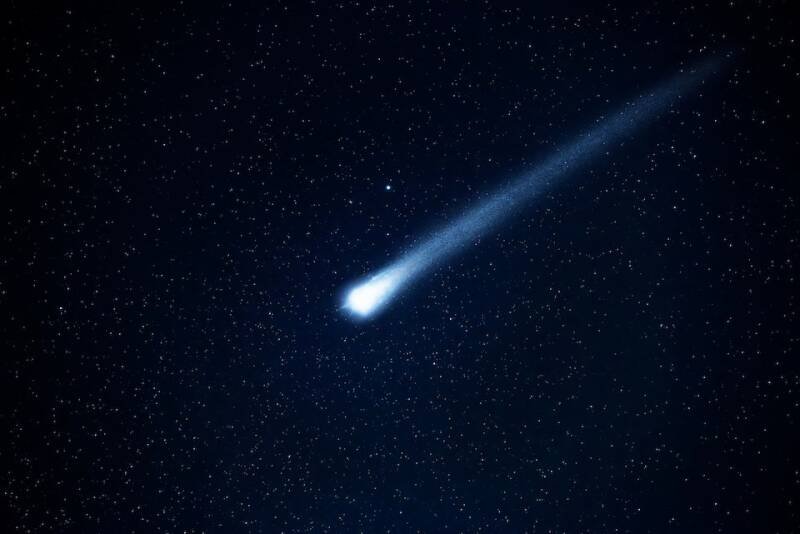
"Fireball season" isn't an official astronomical term, but it's a commonly used phrase to describe a period of increased meteor activity. During this time, Earth's orbit takes it through areas of space with a higher concentration of debris left behind by comets and asteroids. These debris particles, when entering our atmosphere, burn up and create the brilliant flashes we call meteors. More specifically, when they create unusually bright ones, we call them fireballs!
Think of it like driving through a dusty road. The more dust there is, the more likely your car is to get dusty. Similarly, the more debris Earth encounters, the more meteors we see.
Here is a video of a fireball streaking across the sky:
While fireballs are beautiful to watch, understanding their origin helps us learn more about the solar system. These cosmic visitors provide valuable insights into the composition of comets and asteroids, offering clues to the early formation of our planetary neighborhood. They also remind us of the constant interaction between Earth and the wider universe.
Plus, it's just plain cool! Fireballs are a reminder of the vastness and wonder of space, a free show that everyone can enjoy if they're lucky enough to spot one.
In our opinion, "fireball season" is a fantastic opportunity to get people interested in astronomy. It's an accessible and engaging phenomenon that doesn't require expensive equipment or specialized knowledge. All you need is a clear night sky and a bit of patience. Encouraging people to look up and appreciate the cosmos can foster a deeper understanding and appreciation for science.
The fact that Metro Vancouver, despite its light pollution, can still experience noticeable fireball activity highlights the intensity of this seasonal increase. It suggests that even in urban environments, the wonders of space are still within reach.
While "fireball season" is a recurring event, the intensity can vary from year to year. Factors like the position of cometary debris streams and Earth's exact trajectory influence the number and brightness of meteors we observe.
This could impact future scientific research. By studying the patterns and frequencies of fireballs, scientists can better predict future meteor showers and potentially identify previously unknown debris streams. This knowledge is crucial for understanding the overall dynamics of the solar system and assessing potential risks to Earth from larger space objects.
We recommend checking astronomy websites and social media groups for real-time reports of fireball sightings. This can increase your chances of witnessing one yourself and contribute to citizen science efforts by reporting your own observations.
So, keep an eye on the night sky! You might just catch a glimpse of a spectacular fireball and experience the magic of "fireball season" firsthand.