Metchosin Search and Rescue Improves Navigation Skills: Why It Matters
Metchosin Search and Rescue boosts navigation skills with orienteering training. Learn why this training is crucial and how it impacts future rescue operations.
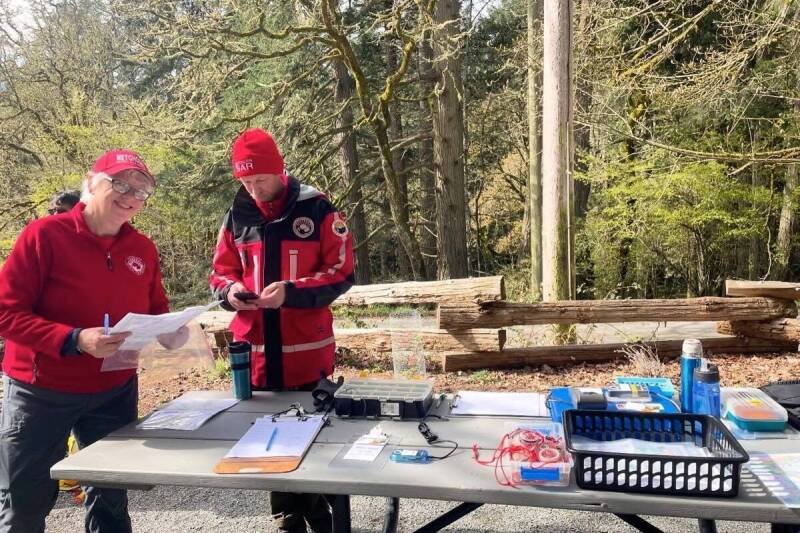



Metchosin Search and Rescue boosts navigation skills with orienteering training. Learn why this training is crucial and how it impacts future rescue operations.
Metchosin Search and Rescue (SAR) recently conducted specialized orienteering training to hone the navigation skills of its volunteer team. This crucial training ensures they are better prepared and more confident when responding to emergency calls in challenging terrain.
Orienteering is a sport and training technique that involves navigating through unfamiliar terrain using a map and compass. Participants must find specific checkpoints marked on the map, relying on their map-reading, compass skills, and ability to interpret the surrounding landscape. In essence, it's about efficiently moving from one location to another using only basic navigational tools.
Effective navigation is paramount for SAR teams. Often, rescue operations take place in remote, rugged areas with limited visibility and changing weather conditions. Volunteers need to be able to quickly and accurately determine their location, plan the best route to the person in need, and coordinate with other team members.
This training isn't just a routine exercise; it's a significant investment in the safety and effectiveness of Metchosin's SAR capabilities. Improved navigation skills directly translate to faster response times, reduced risk of getting lost, and a greater likelihood of a successful rescue.
In our opinion, this focus on foundational skills like orienteering is a smart strategy. Technology is incredibly useful but can fail. Map and compass skills are fundamental for any search and rescue operation. It demonstrates a commitment to continuous improvement and a recognition that even seasoned volunteers can benefit from reinforcing these essential abilities.
It's also worth noting the dedication of these volunteers. They are taking time out of their lives to train so they can protect their community. This is a great example of people helping people.
This type of training is likely to become even more important in the future. Climate change is causing more frequent and severe weather events, which can make search and rescue operations even more challenging. In addition, as more people venture into the backcountry, the demand for SAR services is likely to increase. We believe that ongoing investments in training and equipment, like this orienteering course, will be critical to ensuring that Metchosin Search and Rescue can continue to provide vital services to the community. This could impact the types of equipment used and training given in the future, depending on climate changes.
Here are a few things we expect to see in the future:
Ultimately, the commitment of Metchosin Search and Rescue to improving navigation skills will help to save lives and protect the community for years to come.