Measles and Pneumonia Hospitalizations Spike in Chattogram: Understanding the Outbreak
A measles and pneumonia outbreak in Chattogram, Bangladesh, hospitalizes dozens of children. We break down the news, explain why it matters, and analyze the future implications.
Measles and Pneumonia Cases Surge in Chattogram, Hospitalizing Children
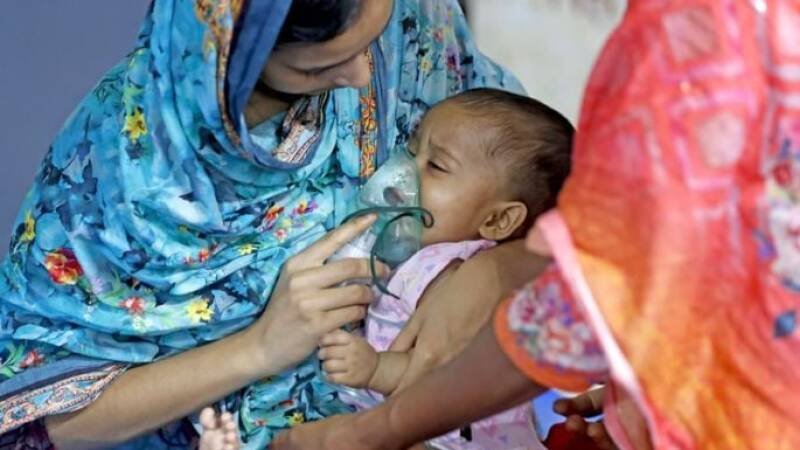
A concerning rise in measles and pneumonia cases is unfolding in Chattogram, Bangladesh. According to the district health department, 17 more children have been hospitalized with measles and pneumonia symptoms, bringing the total number of children currently receiving treatment in Chattogram hospitals for these conditions to 95. This sudden increase raises serious questions about vaccination coverage and overall public health infrastructure in the region.
What's Happening?
The latest reports indicate that measles and pneumonia are the primary concerns. Measles is a highly contagious viral disease that can lead to serious complications, especially in young children. Pneumonia, an infection that inflames the air sacs in one or both lungs, is also a significant threat to children's health, particularly in areas with limited access to healthcare.
The health department has confirmed the detection of these infections in at least two of the hospitalized children, suggesting a potential outbreak that needs immediate attention. While the report only mentions two confirmed cases, it's likely that more cases will be confirmed as testing continues.
Why This News Matters
This situation highlights the vulnerability of children in Chattogram to preventable diseases. Measles and pneumonia are both diseases that can be effectively prevented through vaccination. The rise in cases suggests a possible gap in vaccination coverage, potentially due to:
- Limited Access to Healthcare: Families in remote areas might struggle to reach vaccination centers.
- Vaccine Hesitancy: Misinformation and mistrust can lead to some parents refusing vaccinations.
- Supply Chain Issues: Interruptions in the supply of vaccines can hamper immunization efforts.
The hospitalization of so many children also puts a strain on the local healthcare system, potentially diverting resources from other essential services. This could impact the quality of care for all patients, not just those affected by measles and pneumonia.
Our Analysis
In our opinion, this outbreak underscores the urgent need for a comprehensive public health response. Simply treating the sick is not enough. A proactive approach is required, focusing on:
- Boosting Vaccination Rates: Targeted vaccination campaigns are crucial, especially in high-risk areas.
- Improving Public Awareness: Educational programs are needed to address vaccine hesitancy and promote preventive measures.
- Strengthening Healthcare Infrastructure: Ensuring that healthcare facilities are adequately equipped and staffed to handle outbreaks.
- Disease Surveillance: Enhancing disease surveillance systems to detect and respond to outbreaks promptly.
The fact that infections were detected in two children explicitly suggests that the health department needs to proactively test and trace contacts to prevent further spread of the disease.
Future Outlook
The immediate priority is to contain the current outbreak and prevent further hospitalizations. This will require a coordinated effort from the health department, local authorities, and community leaders.
Looking ahead, the long-term solution lies in strengthening the healthcare system and improving vaccination coverage across the board. This could impact the lives of thousands of children in Chattogram and beyond. Without sustained investment and commitment, the region risks facing similar outbreaks in the future.
In our opinion, this situation is a wake-up call. It's a reminder that preventable diseases remain a significant threat, especially in vulnerable populations. We must act now to protect the health and well-being of children in Chattogram and ensure that no child suffers needlessly from these preventable illnesses. The success of these efforts hinges on resource allocation, community engagement, and consistent monitoring and evaluation.