Manitoba Invests $22.1M to Revamp Cardiac Care at St. Boniface Hospital
Manitoba is investing $22.1M to rebuild cardiac care at St. Boniface Hospital, including a new rapid cardiac assessment unit. Learn why this matters, our analysis, and the future outlook.
Manitoba Invests $22.1 Million to Revitalize Cardiac Care at St. Boniface Hospital
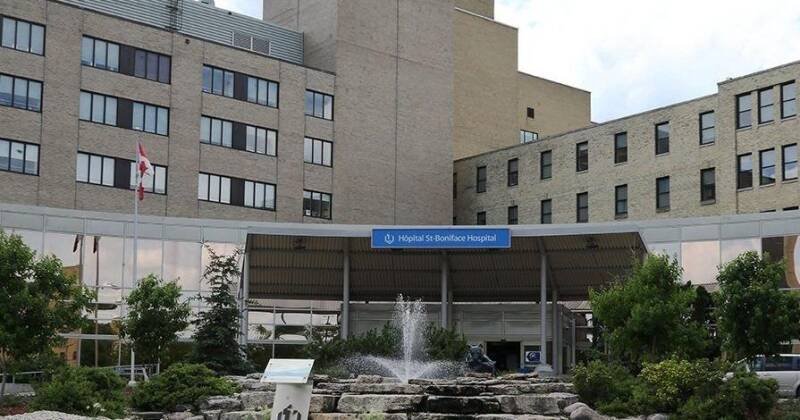
The Manitoba government has announced a significant investment of $22.1 million to rebuild and enhance cardiac care services at St. Boniface Hospital in Winnipeg. This funding aims to re-establish a center of excellence for cardiac treatment and includes the creation of a new rapid cardiac assessment unit. This investment signals a renewed focus on improving cardiac health outcomes for Manitobans.
What's Included in the Investment?
The $22.1 million will be used to create:
- A Re-established Cardiac Centre of Excellence: This signifies a commitment to providing top-tier cardiac care within the province.
- A New Rapid Cardiac Assessment Unit: This crucial unit will allow for faster diagnosis and treatment of patients experiencing cardiac events, potentially saving lives and reducing long-term complications.
Why This News Matters
This investment is crucial for several reasons. Heart disease remains a leading cause of death and disability in Canada. Improving access to timely and high-quality cardiac care is essential for improving the overall health and well-being of the population. The new rapid assessment unit, in particular, has the potential to significantly reduce wait times and improve patient outcomes. Ultimately, this means that more Manitobans will receive the care they need, when they need it most.
Our Analysis
In our opinion, this investment is a positive step forward for healthcare in Manitoba. The establishment of a dedicated rapid assessment unit is a welcome development, as timely intervention is often critical in cardiac cases. The re-establishment of the cardiac centre of excellence at St. Boniface Hospital is also a significant commitment to providing comprehensive cardiac care services.
However, it's important to remember that funding is just one piece of the puzzle. Successful implementation will require careful planning, efficient resource allocation, and a skilled healthcare workforce. The government will need to address any potential staffing shortages and ensure that the new facilities are equipped with the latest technology.
Potential Challenges
- Staffing: Ensuring adequate staffing levels will be crucial for the success of the new unit.
- Implementation: Efficient project management will be necessary to ensure the project stays on schedule and within budget.
- Integration: Seamless integration with existing healthcare services is essential to avoid duplication and ensure optimal patient care.
Future Outlook
This investment could impact the future of cardiac care in Manitoba in several ways. Improved access to timely and high-quality care could lead to:
- Reduced Mortality Rates: Faster diagnosis and treatment could save lives.
- Improved Patient Outcomes: Earlier intervention could reduce long-term complications and improve quality of life.
- Reduced Healthcare Costs: By preventing serious cardiac events, the investment could ultimately lead to lower healthcare costs in the long run.
In the long term, the success of this initiative will depend on continuous monitoring and evaluation. The government should track key performance indicators, such as wait times, patient outcomes, and patient satisfaction, to ensure that the investment is delivering the desired results. This is not just about spending money; it's about strategically investing in the health and well-being of Manitobans. We anticipate seeing positive developments in cardiac care in the coming years as a result of this investment, but continued commitment and oversight will be crucial.












![Karapadi Health Camp: A Lifeline After Months of Need | [Your Publication Name]](https://www.globalnewstoday.live/uploads/news/news_1777234516_Lb87XY.jpg)