Mammal Ancestors Laid Eggs: New Evidence and What it Means
Groundbreaking research confirms that mammal ancestors, the cynodonts, laid eggs. Learn about this evolutionary milestone and its implications for our understanding of mammalian development.
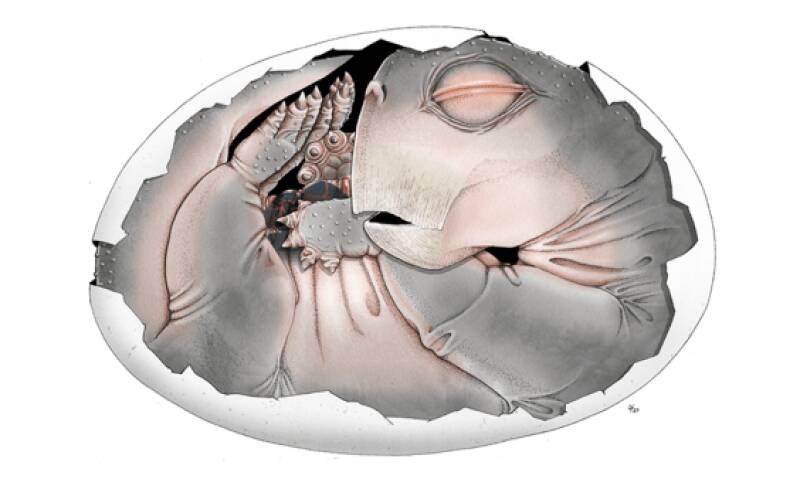



Groundbreaking research confirms that mammal ancestors, the cynodonts, laid eggs. Learn about this evolutionary milestone and its implications for our understanding of mammalian development.
A fascinating new discovery provides strong evidence that our mammal ancestors, specifically a group called cynodonts, reproduced by laying eggs. This challenges earlier assumptions and sheds new light on the evolutionary journey of mammals, including us humans.
The evidence, recently highlighted by Nautilus, comes from detailed analysis of fossilized cynodont remains. These creatures, which lived millions of years ago, were more closely related to mammals than to reptiles, exhibiting a mix of mammalian and reptilian characteristics.
Cynodonts are crucial to understanding the transition from reptile-like therapsids to true mammals. They possessed features like differentiated teeth, a secondary palate (allowing them to breathe while eating), and an improved jaw structure – all characteristics we see in modern mammals. But the question of their reproductive strategy remained a subject of debate until now.
While monotremes, like the platypus and echidna, are egg-laying mammals that exist today, the dominant reproductive strategy for most mammals is placental birth. This new evidence places egg-laying further back on the mammalian family tree.
Understanding the reproductive history of mammals is critical for grasping the broader picture of evolution. This discovery offers several important insights:
In our opinion, the evidence presented for egg-laying in cynodonts is compelling. The fossil record, while incomplete, continues to yield crucial pieces of the puzzle. This discovery highlights the importance of detailed anatomical analysis and comparative studies in paleontology.
The fact that monotremes still exist today is a living testament to this ancient reproductive strategy. This finding allows researchers to build a more robust evolutionary tree and better understand the selective pressures that may have driven the shift towards live birth.
The evolution of live birth, particularly placental birth, offered significant advantages. It allowed for greater protection of the developing offspring and potentially increased parental investment. This could impact survival rates and contribute to the success of mammalian lineages.
This discovery will likely spur further research into the reproductive biology of early mammals. Scientists may focus on:
In conclusion, this finding reinforces the dynamic nature of evolution and the ongoing quest to uncover the secrets of our past. It demonstrates that even well-established scientific narratives can be challenged and refined by new discoveries.
This could impact the understanding of developmental biology and evolution significantly as more data comes in, changing textbooks as we know them.