Living in a House with a Dark Past: The Easter Sunday Massacre Home
A woman unknowingly moved into the house where the tragic Easter Sunday Massacre took place in Hamilton, Ohio. We explore the story, the history, and the impact of living in such a place.
Living in the Shadow of Tragedy: The Easter Sunday Massacre House
Cinnamon Baker recently moved into a house in Hamilton, Ohio, unaware of the chilling history it held. This wasn't just any house; it was the site of the infamous Easter Sunday Massacre of 1975, where James Ruppert murdered 11 members of his own family.
The Unfolding Discovery
Imagine moving into a new home, excited about the fresh start, only to discover it's forever linked to a horrific event. Baker's story highlights the complex emotions and ethical considerations that arise when the past literally lives within the walls of your present.
A Brief Recap of the Easter Sunday Massacre
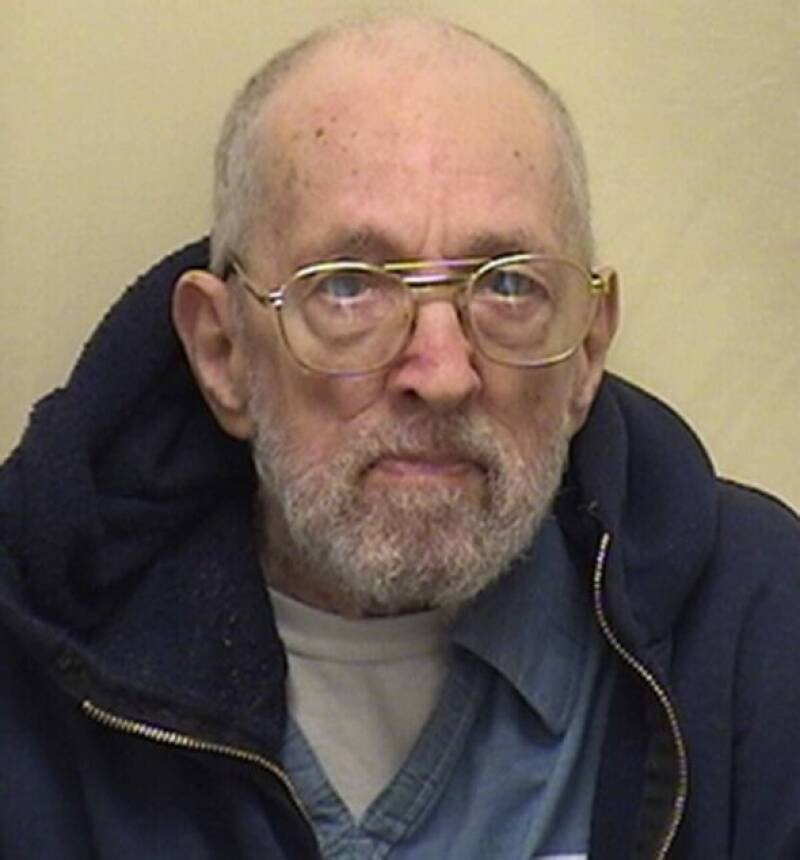
On March 30, 1975, James Ruppert, a recluse with a history of mental instability, brutally murdered his mother, brother, sister-in-law, and eight nieces and nephews. The massacre shocked the nation and left an indelible scar on the Hamilton community. The motive remains murky, although financial disputes and resentment are believed to have played a role.
Why This News Matters
This story touches on several important aspects: the enduring impact of traumatic events on communities, the ethical responsibility of disclosing a property's history, and the personal burden faced by those who unknowingly inherit such a legacy. It raises questions about how we remember and reconcile with the past, especially when it's etched into the very foundations of our homes.
Our Analysis
The fact that Baker moved into the house unaware of its history underscores the importance of transparency in real estate transactions. While Ohio law doesn't specifically mandate the disclosure of murders or other violent crimes that occurred on a property, the ethical implications are significant. In our opinion, providing potential buyers with a complete picture of a property's past is crucial, even if it means potentially impacting its market value.
Furthermore, Baker's experience highlights the psychological toll of living in a space associated with such a horrific crime. It's not just about the bricks and mortar; it's about the emotional weight of history and the potential for lingering trauma. This could impact her mental well-being and sense of peace within her own home.
Future Outlook
The story of the Easter Sunday Massacre house will continue to resonate within the Hamilton community. It serves as a constant reminder of the tragic event and its lasting impact. Looking ahead, it's essential for communities to develop strategies for acknowledging and processing historical trauma. This may involve creating memorials, providing mental health resources, or promoting open dialogue about the past. This could impact the healing process for the community and the family members of the victims.
Property Value and Disclosure
It's also likely that this story will reignite the debate surrounding mandatory disclosure laws for properties with a history of violent crime. While such laws could protect potential buyers, they also raise concerns about stigmatizing properties and impacting their market value. Finding a balance between transparency and protecting property rights will be a key challenge in the future.
Living with the Past
Ultimately, Cinnamon Baker's experience underscores the human capacity to find resilience and meaning even in the face of profound tragedy. Her journey of coming to terms with the house's history will undoubtedly shape her life and perspective. In our opinion, her story is a testament to the enduring power of the human spirit.
Moving Forward
The long-term effects of this situation are uncertain, but education and community support seem crucial. Perhaps programs could be developed to help new residents of such properties understand the history and navigate the emotional challenges that might arise.