Italy's Nuclear Crossroads: IEA Urges Rethink for Energy Security
The IEA chief urges Italy to reconsider nuclear energy for energy security and economic stability. Explore the implications, analysis, and future outlook.
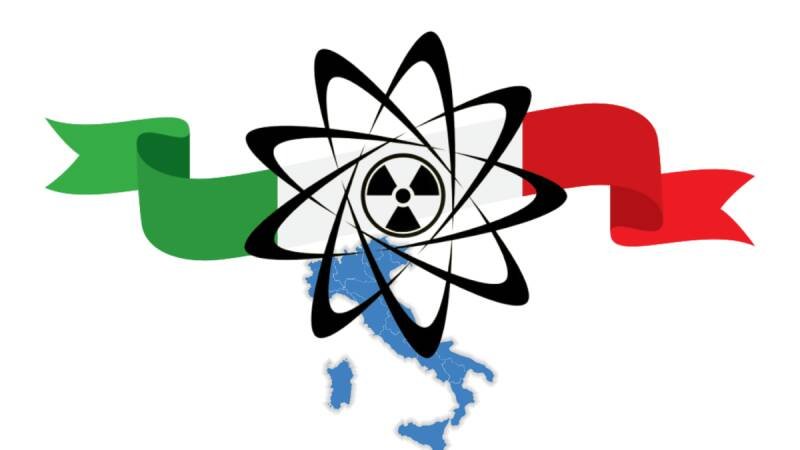



The IEA chief urges Italy to reconsider nuclear energy for energy security and economic stability. Explore the implications, analysis, and future outlook.
Italy faces a crucial decision regarding its energy future. With energy security and economic stability top priorities, the head of the International Energy Agency (IEA) has publicly urged Italy to reconsider its long-standing aversion to nuclear power. This call comes at a time when Italy relies heavily on imported energy, including electricity generated by nuclear power in neighboring France.
Italy has a complex history with nuclear energy. Following the Chernobyl disaster in 1986, a referendum led to the decommissioning of its existing nuclear power plants. Since then, the country has remained nuclear-free, opting instead to rely on a mix of fossil fuels and renewable energy sources, supplemented by energy imports.
Currently, Italy's energy mix is heavily reliant on imports, making it vulnerable to price fluctuations and geopolitical instability. A significant portion of its electricity is sourced from France, which heavily relies on nuclear power. This dependence highlights Italy's indirect reliance on nuclear energy despite its domestic ban.
This news is significant because it throws Italy's energy strategy into sharp relief. The IEA's recommendation underscores the potential benefits of nuclear power in ensuring a stable and affordable energy supply, particularly in light of the ongoing energy crisis in Europe. Italy's energy policy affects not only its own economy and citizens but also its relationships with other European nations.
Moreover, the potential reconsideration of nuclear power in Italy is a major shift, as the country has been resolutely opposed to nuclear for decades. A decision to explore nuclear would ripple through the European energy market and could influence the energy policies of other nations.
In our opinion, the IEA's recommendation is a pragmatic response to the current energy landscape. While renewable energy sources are undoubtedly crucial for a sustainable future, they are not yet capable of meeting Italy's baseload energy demands reliably. Nuclear power, with its high energy density and low carbon emissions, could provide a stable and secure energy supply while Italy continues to develop its renewable energy infrastructure.
However, a decision to embrace nuclear power in Italy would not be without its challenges. Public perception remains a significant hurdle. Overcoming decades of skepticism and addressing concerns about safety and waste disposal will require a transparent and comprehensive public engagement strategy. Political opposition from anti-nuclear groups is also highly likely.
The future of nuclear energy in Italy remains uncertain. A significant amount of political will and public support will be required to overcome the historical aversion to nuclear power. The Italian government will need to carefully weigh the potential benefits and challenges before making a decision.
This could impact Italy's geopolitical standing. A move to nuclear power could allow Italy to be more competitive in its trade relationships. It could also allow Italy to be less dependant on its European neighbors, giving Italy increased control over its own economy.
In the coming months and years, we expect to see increased debate and discussion on the role of nuclear energy in Italy's energy future. The outcome of this debate will have profound implications for the country's energy security, economic stability, and its contribution to global efforts to combat climate change. It's likely that a new national referendum would be called before any new power plants are built.