Iran Closes Strait of Hormuz: What It Means for Global Shipping and Oil Prices
Iran has reportedly closed the Strait of Hormuz after tensions with the US escalated. Learn what this means for global oil prices, shipping, and international relations.
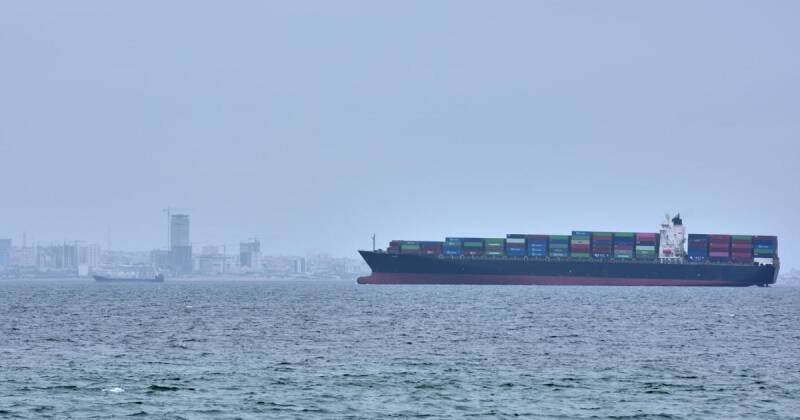



Iran has reportedly closed the Strait of Hormuz after tensions with the US escalated. Learn what this means for global oil prices, shipping, and international relations.
Reports have emerged that Iran has fully closed the Strait of Hormuz and fired on ships attempting to pass through the strategically vital waterway. This dramatic move comes in response to increased pressure from the United States, particularly the US blockade of Iran. This situation has the potential to significantly impact global trade and energy markets.
The Strait of Hormuz is a narrow channel of water located between Oman and Iran, connecting the Persian Gulf to the Gulf of Oman and the Arabian Sea. It's one of the world's most strategically important choke points for oil transit. Roughly 20% of the world's total petroleum liquids and over 20% of global liquefied natural gas (LNG) pass through it.
Any disruption to traffic through the Strait can have immediate and substantial consequences for the global economy. It's a major artery for oil tankers heading to Asia, Europe, and North America.
Initial reports suggest that Iran had previously reopened the Strait of Hormuz after an earlier period of closure. However, this latest action signifies a significant escalation. Firing on ships attempting to pass sends a strong signal that Iran is willing to use force to enforce its closure. Details surrounding the ships involved and the extent of the damage are still emerging.
This event has far-reaching implications. The closure of the Strait of Hormuz could:
In our opinion, this is a highly volatile situation. Iran's actions are likely a response to what it perceives as economic warfare by the United States. The US blockade has crippled Iran's economy, and closing the Strait of Hormuz may be seen as a desperate attempt to exert leverage. However, this is a dangerous game, as it risks a direct military confrontation with the US and its allies.
The international community needs to engage in urgent diplomacy to de-escalate the situation. Leaving the matter unchecked has the potential to impact far more than just the economies of the nations involved.
This incident highlights the critical importance of energy security and the vulnerability of the global economy to disruptions in key transportation routes. We expect the price of oil to rise sharply in the coming days and weeks as markets react to this news. It is likely to impact everything from gas prices to the cost of air travel and manufactured goods. Inflation, already a concern in many countries, may become more pronounced.
The future remains highly uncertain. Several potential scenarios could unfold:
This could impact global political alignments. Nations will have to determine whether they are more closely aligned with the US, or with Iran, and this could lead to realignments that were previously unexpected. In our opinion, the stability of the entire Middle East hinges on how this crisis is managed. Further escalation would be catastrophic, not only for the region but for the world.