Iowa's Volunteer Bird Rescuers: A Hidden Network Saving Wildlife
Discover the dedicated volunteers in Iowa who are the unsung heroes, rescuing and rehabilitating thousands of injured and sick birds each year. Learn why their work is crucial and what the future holds for Iowa's avian population.
Iowa's Unsung Heroes: The Volunteer Network Saving Our Birds
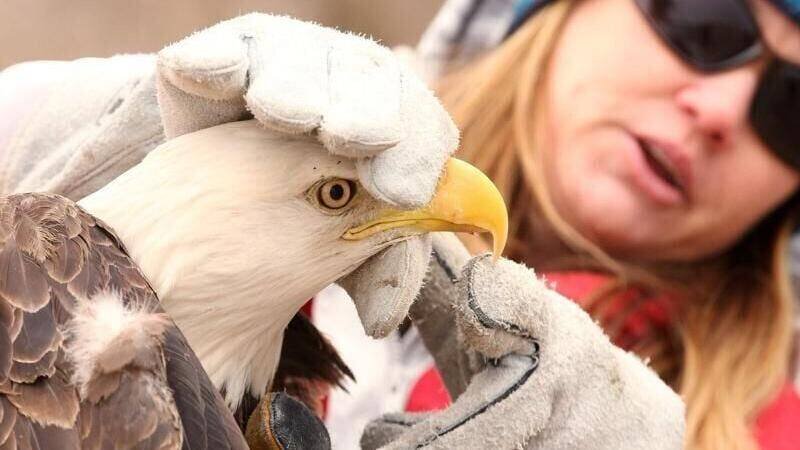
Imagine a world where injured birds had nowhere to turn. In Iowa, that's thankfully not the case, thanks to a dedicated network of volunteers. These passionate individuals are the backbone of bird rehabilitation in the state, dedicating countless hours to rescuing, treating, and releasing thousands of sick and injured birds every year.
The Scale of the Challenge
The sheer number of birds requiring assistance is staggering. From songbirds with broken wings to majestic raptors injured in collisions, the need for skilled care is constant. Without these volunteers, many of these birds would not survive.
Who are These Volunteers?
These aren't just any individuals; they're everyday Iowans with a deep love for wildlife. They come from all walks of life – teachers, retirees, students, and more – united by a common goal: to give these vulnerable creatures a second chance at life in the wild. Many are licensed by state and/or federal agencies.
Why This News Matters
The work of these volunteers has a significant impact on Iowa's biodiversity. Birds play a vital role in the ecosystem, from pollinating plants to controlling insect populations. By rehabilitating and releasing injured birds, these volunteers are helping to maintain a healthy and balanced environment.
Moreover, this story highlights the importance of community involvement in conservation efforts. It demonstrates that ordinary citizens can make a real difference in protecting wildlife. It inspires others to get involved and support these vital programs.
Our Analysis
The reliance on volunteers for bird rehabilitation highlights both the dedication of Iowans and a potential vulnerability. While the passion and commitment of these individuals are undeniable, the current system may be stretched thin. Funding for resources, training, and equipment likely falls short of what's truly needed to support such a large-scale operation.
In our opinion, increased public awareness and support for these volunteer efforts are crucial. More funding and resources could empower these rescuers to provide even better care and expand their reach. Furthermore, strategies to prevent bird injuries in the first place, such as bird-safe building designs and responsible pesticide use, should be prioritized.
Future Outlook
The future of bird rehabilitation in Iowa depends on several factors. Continued volunteer engagement is essential, but long-term sustainability requires a more robust support system. This includes increased funding, improved training programs, and greater public awareness.
Potential Challenges
- Funding limitations could hinder the ability to provide adequate care.
- A lack of trained volunteers could lead to burnout and decreased capacity.
- Increasing habitat loss and environmental threats could further increase the need for rehabilitation services.
Opportunities for Growth
- Increased public awareness can lead to greater volunteer recruitment and financial support.
- Collaboration between government agencies, non-profit organizations, and volunteers can create a more effective and sustainable system.
- Developing innovative approaches to bird rehabilitation, such as telemedicine and advanced veterinary techniques, can improve outcomes.
This could impact the health of Iowa's bird populations for years to come. The efforts of these volunteers are vital, and ensuring their continued success is a responsibility we all share.