India's Rupee Under Pressure: Understanding the Challenges and Future Outlook
Explore the challenges facing the Indian Rupee, including global factors and domestic policies. Get expert analysis, future outlook, and why this news matters.
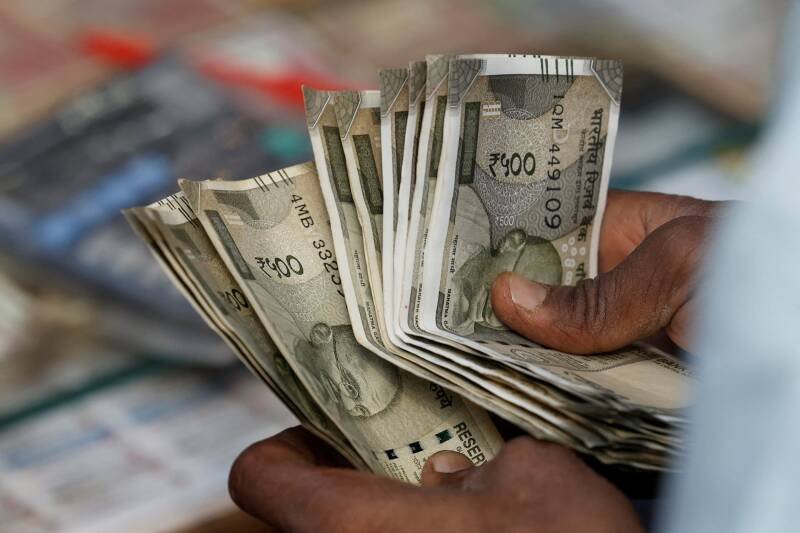



Explore the challenges facing the Indian Rupee, including global factors and domestic policies. Get expert analysis, future outlook, and why this news matters.
The Indian Rupee (INR) is currently facing significant headwinds, leading to concerns about its stability and potential impact on the Indian economy. Several factors are contributing to this situation, creating what many analysts are calling a "perfect storm." This article breaks down the key issues, explains why they matter, and offers a forward-looking analysis.
The Rupee has been depreciating against the US dollar. This means it takes more Rupees to buy one US dollar than it did previously. This isn't just a local issue; many currencies are facing similar pressures as the US dollar strengthens.
A weaker Rupee can make imports more expensive, potentially fueling inflation. It also impacts Indian companies that have borrowed money in US dollars, as their repayment costs increase.
The weakening Rupee has several potential consequences for the Indian economy and its citizens:
In our opinion, the Indian Rupee is facing a complex set of challenges that require a multi-pronged approach. The RBI is walking a tightrope, trying to balance the need to control inflation with the need to support economic growth. While the RBI has intervened in the foreign exchange market to stabilize the Rupee, its ability to do so is limited by the size of its foreign exchange reserves.
The global factors, particularly the actions of the US Federal Reserve and the ongoing geopolitical uncertainty, are largely beyond India's control. However, the government can focus on boosting exports, attracting foreign investment, and reducing the country's reliance on imported oil. We believe structural reforms to improve India's competitiveness are crucial in the long run.
The near-term outlook for the Rupee remains uncertain. Much will depend on the trajectory of US interest rates, the global economic outlook, and the actions of the RBI. If the US Federal Reserve continues to raise interest rates aggressively, the Rupee is likely to face further downward pressure.
However, if global economic conditions improve and the RBI takes effective measures to manage inflation and attract foreign investment, the Rupee could stabilize. In our opinion, a proactive and coordinated approach by the government and the RBI is essential to navigate these challenging times. This could impact the long-term health of the Indian economy. Monitoring global economic indicators, especially those related to US monetary policy and commodity prices, will be crucial for understanding the Rupee's future direction.