Hungary Election Results: Orban Out, What It Means for EU, Russia, and US
Viktor Orban's 16-year reign in Hungary ends as Peter Magyar's Tisza party wins. Discover the potential impacts on Hungary's relationship with the EU, Russia, and the US.
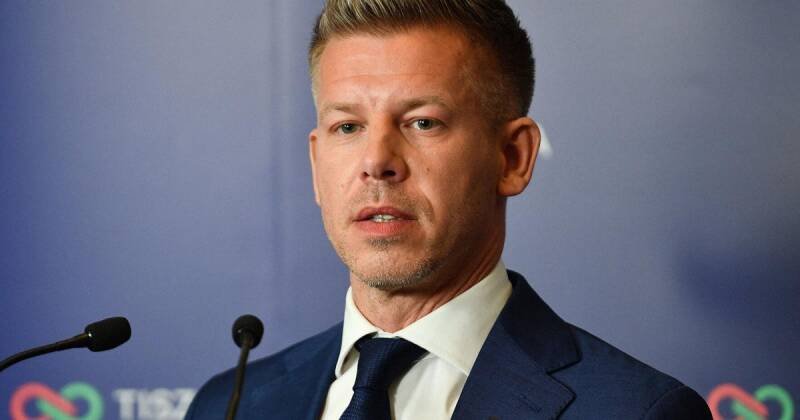



Viktor Orban's 16-year reign in Hungary ends as Peter Magyar's Tisza party wins. Discover the potential impacts on Hungary's relationship with the EU, Russia, and the US.
In a stunning political upset, Viktor Orban's 16-year grip on power in Hungary has been broken. An upstart opposition party, led by Peter Magyar and known as Tisza, secured a historic victory in recent elections, promising to reshape the nation's relationship with the European Union, Russia, and the United States.
Viktor Orban's tenure was characterized by a right-wing, nationalist agenda that often clashed with EU values. His close ties to Russia, particularly to Vladimir Putin, raised eyebrows across Europe and fueled concerns about Hungary's commitment to Western alliances. His government faced criticism over democratic backsliding, including curbs on media freedom and judicial independence.
The election outcome marks a significant turning point for Hungary and the broader European landscape. The rise of Peter Magyar and the Tisza party signals a potential shift towards a more pro-EU and less authoritarian direction.
This election isn't just about Hungary; it has ripple effects across the continent and beyond.
The victory of Peter Magyar and the Tisza party is a testament to the growing discontent with Orban's policies and his increasingly autocratic style of leadership. Hungarians, it seems, were ready for a change, yearning for a more democratic and open society.
In our opinion, Magyar's success stemmed from his ability to tap into this widespread dissatisfaction and offer a credible alternative to Orban's rule. He presented himself as a unifier, promising to bridge the divides within Hungarian society and restore the country's standing in the international community.
This could impact Hungary's position within the EU, potentially leading to increased cooperation and a stronger commitment to European values. It could also lead to a reassessment of Hungary's relationship with Russia, with a greater emphasis on national interests and alignment with Western allies.
The coming months will be crucial as Peter Magyar and his Tisza party begin the process of forming a government and implementing their agenda. The challenges ahead are significant.
The world will be watching closely to see how Hungary navigates this new chapter in its history. The election results represent a significant victory for democracy and a renewed hope for a more prosperous and united Europe. However, sustainable change needs time. In our opinion the path ahead will likely be marked by complexities as the new government seeks to fulfill its promises and chart a new course for Hungary.