Gravel Gardens: A Simple Way to Reduce Wildfire Risk and Save Water
Discover how switching to gravel gardens can dramatically reduce wildfire risk, conserve water, and improve landscape aesthetics. Learn about the benefits and future outlook.
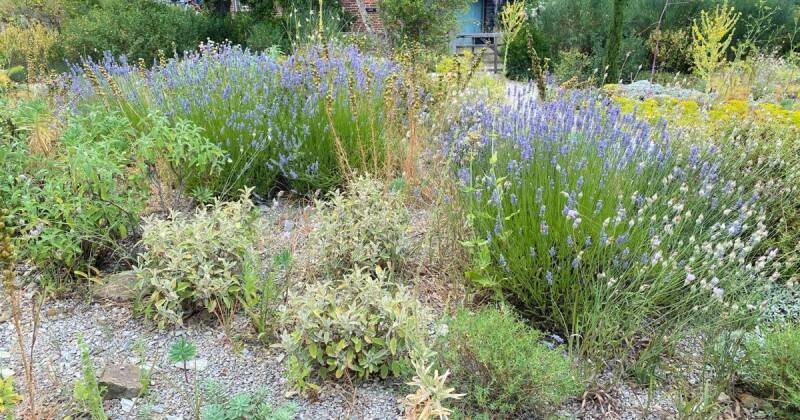



Discover how switching to gravel gardens can dramatically reduce wildfire risk, conserve water, and improve landscape aesthetics. Learn about the benefits and future outlook.
With increasing concerns about wildfires and water scarcity, homeowners are seeking practical and sustainable solutions for their gardens. A simple yet effective strategy gaining popularity is the adoption of gravel gardens. By replacing organic mulch with gravel, you can significantly reduce wildfire risk and conserve precious water resources. This isn't just for fire zones; the benefits extend to any garden seeking sustainability.
Traditional organic mulches like bark, straw, and wood chips, while beneficial in some ways, pose a significant fire hazard. These materials are highly flammable and can easily ignite from airborne embers, a common cause of wildfires spreading to homes. In fire-prone areas, many towns are now restricting or even banning the use of organic mulch near buildings.
Gravel, on the other hand, is non-combustible. It acts as a fire barrier, preventing flames from spreading quickly. It also offers excellent drainage, reducing water runoff and promoting healthier plant roots. Furthermore, gravel gardens require less maintenance than traditional gardens, saving you time and effort.
Gravel gardens contribute to water conservation by reducing evaporation. The gravel layer acts as a barrier, preventing water from escaping into the atmosphere. This is especially beneficial in arid and semi-arid regions where water is a scarce resource. By choosing drought-tolerant plants suitable for gravel gardens, you can further minimize your water consumption.
The shift to gravel gardens represents a proactive approach to mitigating the risks associated with wildfires and water scarcity. It's a simple, cost-effective, and environmentally friendly solution that homeowners can implement to protect their properties and contribute to a more sustainable future. In our opinion, this is a crucial adaptation to the growing threat of climate change and its impact on our landscapes.
The increasing adoption of gravel gardens reflects a growing awareness of the interconnectedness between our landscapes, the environment, and our safety. This trend is not just a fleeting fad; it's a fundamental shift in landscape design principles, prioritizing resilience and sustainability. The combination of fire resistance, water conservation, and low maintenance makes gravel gardens an attractive option for homeowners seeking practical and responsible solutions.
However, it's crucial to choose the right type of gravel. Pea gravel, for example, can be slippery and difficult to walk on. Crushed stone or decomposed granite are often better choices, providing stability and preventing compaction. Proper installation, including weed barrier fabric underneath the gravel, is also essential for long-term success.
We expect to see a continued increase in the popularity of gravel gardens as awareness of their benefits grows. This trend will likely be driven by:
This could impact the landscaping industry, creating new opportunities for designers and contractors specializing in gravel garden installations. It could also lead to the development of new and innovative gravel garden designs that are both functional and aesthetically pleasing. In the future, we might see gravel gardens integrated into larger-scale urban planning initiatives to mitigate the urban heat island effect and improve water management.
Ultimately, the adoption of gravel gardens is a small but significant step towards building more resilient and sustainable communities. By embracing this simple solution, homeowners can play a vital role in protecting their properties, conserving resources, and creating a greener future.
























