Do Crosswalk Buttons Actually Work? The Truth Revealed
Ever wonder if crosswalk buttons really do anything? We investigate whether they're actually effective, plus the technology and future of pedestrian crossing signals.
Do Crosswalk Buttons Actually Work? The Truth Behind Pedestrian Signals
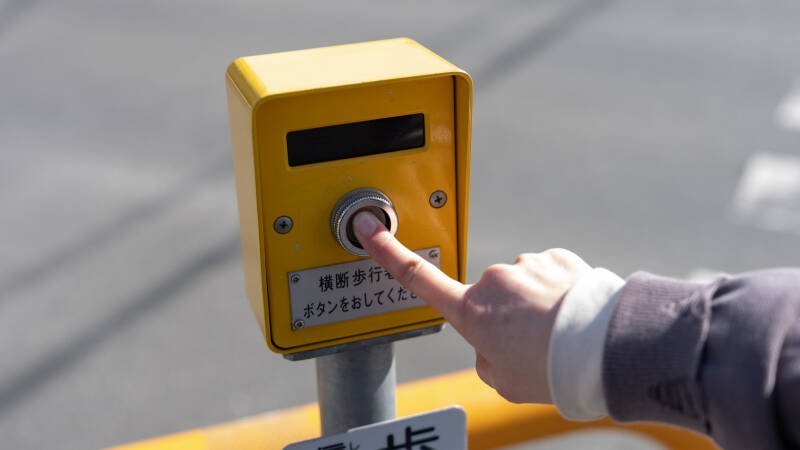
Have you ever stood at a crosswalk, impatiently tapping that little button, wondering if it actually does anything? You’re not alone. The truth about crosswalk buttons is more nuanced than you might think. In many cases, they *do* work, but their function has evolved over time and varies depending on location and technology.
The Basic Function: Requesting the Walk Signal
At their core, crosswalk buttons are designed to signal to the traffic light system that a pedestrian is waiting to cross. This request ideally influences the timing of the traffic lights, triggering the "walk" signal sooner than it otherwise would appear. This is the way crosswalk buttons are intended to work, especially in areas with lower pedestrian traffic volume.
However, modern urban planning has introduced some interesting twists. Here's where it gets complicated.
Timer Placebos: When Buttons Don't Change Anything
In many cities, particularly in downtown areas with high pedestrian traffic, the walk signals operate on a fixed schedule. This means the "walk" signal appears at predetermined intervals, regardless of whether the button is pressed or not. These buttons are sometimes referred to as "timer placebos." They don't actively *request* the walk signal; rather, they are in place to give pedestrians the *perception* of control, which can reduce frustration and anxiety.
These “placebo” buttons aren't entirely useless, though. They can still serve a purpose, as we will explain later.
The Technology Behind the Signal
The technology behind crosswalk signals varies greatly. Older systems rely on electromechanical timers, while newer systems utilize sophisticated computer algorithms that take into account traffic flow, time of day, and even data from sensors and cameras.
Modern traffic management systems are increasingly integrated with "smart city" initiatives. These advanced systems can adjust signal timing dynamically based on real-time traffic conditions, potentially improving efficiency for both vehicles and pedestrians. In areas using these systems, crosswalk buttons are more likely to play a genuine role in requesting a walk signal, especially during off-peak hours.
Why This News Matters
Understanding how crosswalk buttons work (or don't) is crucial for several reasons:
- Pedestrian Safety: Knowing when to expect the "walk" signal can improve pedestrian safety and reduce jaywalking.
- Urban Planning: It highlights the complexities of urban planning and the need for transparent communication with citizens about infrastructure functionality.
- User Experience: It addresses a common source of frustration and curiosity for pedestrians.
Our Analysis
In our opinion, the lack of transparency about whether a crosswalk button is functional or a "placebo" can erode public trust. Cities should consider providing clearer signage indicating whether a button directly influences the signal timing or simply provides a sense of control. Furthermore, maintaining and updating these systems is crucial to ensure they are operating effectively. A broken "request" button can create real hazards for people trying to cross the street.
The integration of "smart city" technology holds great promise for improving traffic flow and pedestrian safety. However, it's essential to ensure these systems are designed with the needs of all users in mind, not just vehicles. Better data collection and analytics can optimize signal timing and reduce wait times for pedestrians.
Future Outlook
The future of crosswalk signals is likely to involve greater integration with smart technology and personalized experiences. Imagine a system that uses your smartphone to detect your presence and automatically trigger a walk signal, or that adjusts the crossing time based on your walking speed.
These advancements could significantly improve pedestrian safety and efficiency. Moreover, there's a potential shift towards more interactive buttons, where visual or auditory feedback confirms that the request has been received, regardless of whether it changes the light timing immediately.
This could impact the way urban centers are designed, potentially prioritizing pedestrian needs through technology. Furthermore, the adoption of technologies like automatic pedestrian detection and automated vehicle communication (V2X) will likely render the classic crosswalk button obsolete in many locations. However, the human desire for some form of control or acknowledgement will always have to be addressed by modern design.