Danda Nata Festival Ends: Understanding the Ancient Ritual and Its Significance
Explore the Danda Nata festival, its traditions, and its impact on the culture of Ganjam, Odisha. Learn why this ancient ritual still matters today.
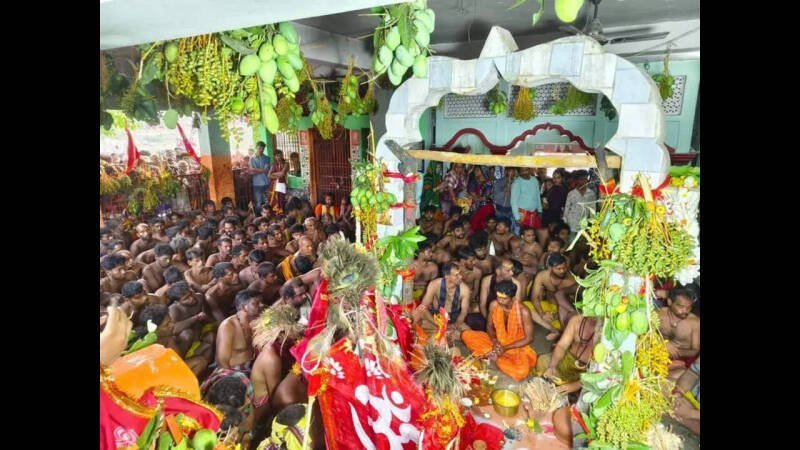



Explore the Danda Nata festival, its traditions, and its impact on the culture of Ganjam, Odisha. Learn why this ancient ritual still matters today.
The annual Danda Nata festival, a vibrant and deeply rooted tradition in the Ganjam district of Odisha, India, concluded on Tuesday, coinciding with the auspicious occasion of Sankranti. The 13-day long festival culminated with a spectacular firewalk ceremony, marking the end of a period of intense devotion and community engagement.
Danda Nata is more than just a folk dance; it's a complex ritualistic performance that involves strict discipline, elaborate costumes, and symbolic representations of Hindu deities. The 'dandus,' the main performers, undertake rigorous physical and spiritual preparation for weeks leading up to the festival. They travel from village to village, performing dances and enacting scenes from Hindu epics, receiving offerings and blessings from the community.
The festival holds immense significance for the rural population of Ganjam. It's a time for reaffirming faith, seeking blessings for prosperity, and celebrating the rich cultural heritage of the region. The firewalk, a dramatic display of faith and courage, symbolizes purification and the triumph of good over evil.
The conclusion of Danda Nata is important for several reasons:
In our opinion, the Danda Nata festival demonstrates the power of tradition to shape and sustain communities. While modernization has brought about significant changes in society, the enduring popularity of Danda Nata suggests that people still value their cultural roots. The festival's intricate rituals and symbolic representations reflect a deep understanding of Hindu philosophy and mythology.
The firewalk ceremony is a powerful symbol of faith and self-discipline. It is a testament to the "dandus'" devotion and their willingness to endure physical hardship in the pursuit of spiritual fulfillment. This could impact the younger generations and serve as a reminder of the value of faith and perseverance.
However, it's also important to acknowledge the challenges faced by traditional art forms like Danda Nata. The pressures of modernization, changing lifestyles, and the allure of popular culture can threaten the survival of these practices. Sustained efforts are needed to promote and preserve Danda Nata for future generations.
The future of Danda Nata, like many traditional art forms, depends on several factors:
It's essential to remember that the Danda Nata festival is not just a performance; it's a living tradition that reflects the cultural identity of the Ganjam district. By supporting and promoting this festival, we can help ensure that it continues to thrive for generations to come. The survival of these traditions is vital for maintaining cultural diversity and enriching our understanding of the world.
























