Dairy Digesters in California's Central Valley: A Promising Technology with Performance Issues
A new study reveals inconsistent performance in California Central Valley dairy digesters, raising questions about the effectiveness of state subsidies. Our analysis delves into the findings and their implications.
Dairy Digesters in California's Central Valley: A Promising Technology with Performance Issues
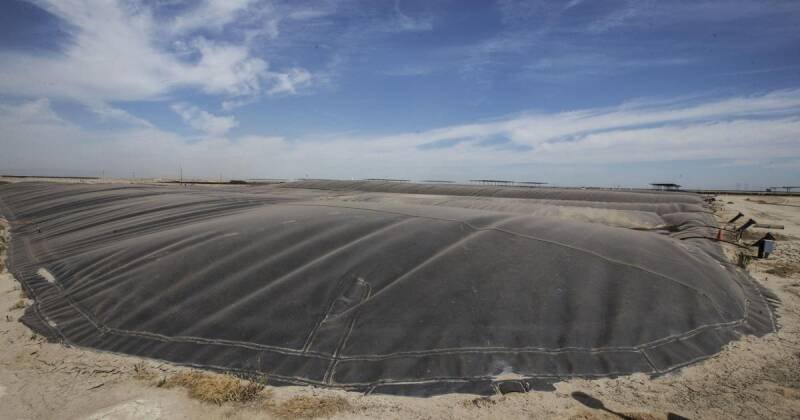
A recent study focusing on dairy digesters in California's Central Valley has stirred up a debate about their reliability and whether they warrant the significant state subsidies they receive. Dairy digesters are designed to capture methane, a potent greenhouse gas, released from cow manure. This captured methane can then be converted into renewable natural gas (RNG), a cleaner energy source.
What the Study Found
The study highlights that while dairy digesters can perform effectively, their performance is inconsistent. This means that sometimes they capture and convert methane efficiently, while at other times their performance drops off. This variability raises concerns about the overall effectiveness of these installations in reducing greenhouse gas emissions.
Why This News Matters
This news is crucial for several reasons:
- Climate Change Mitigation: Methane is a far more potent greenhouse gas than carbon dioxide, especially in the short term. Reducing methane emissions from agriculture is vital for combating climate change.
- State Subsidies: California has invested heavily in dairy digesters through state subsidies. The effectiveness of these subsidies is now being questioned, and this study could influence future policy decisions.
- Air Quality: While primarily focused on methane, digesters can also have an impact on local air quality by reducing other emissions associated with manure management.
- Renewable Energy Production: RNG produced from dairy digesters contributes to California's renewable energy goals. If digesters aren't performing consistently, it could hinder the state's progress.
Our Analysis
The inconsistent performance of dairy digesters, as highlighted by the study, presents a complex problem. While the technology holds promise, its unpredictable nature raises doubts about its current cost-effectiveness and reliability. In our opinion, more research is needed to understand the causes of these performance fluctuations and to develop strategies to improve the stability and efficiency of these systems.
One potential issue is the variability in the composition of manure, which can affect the digestion process. Another could be related to the operational management of the digesters. Factors such as temperature control, bacterial balance, and maintenance all play a crucial role in the digester's performance. It's possible that variations in these factors contribute to the inconsistencies observed in the study. Additionally, the study might be pointing to early adoption challenges. With any new technology, there can be a learning curve. Identifying and addressing these challenges is critical.
The question of state subsidies is also important. While supporting renewable energy development is a worthy goal, it's essential to ensure that taxpayer money is being used effectively. If digesters aren't performing consistently, it might be necessary to re-evaluate the subsidy programs and potentially shift resources to more reliable or cost-effective climate solutions. This could impact further subsidies for similar projects, and possibly lead to more stringent performance requirements.
Future Outlook
The future of dairy digesters in California's Central Valley is uncertain. The study's findings could lead to several developments:
- Increased Scrutiny: State agencies may subject digester projects to increased scrutiny to ensure they meet performance standards.
- Research and Development: More funding could be directed towards research and development to improve the reliability and efficiency of digester technology.
- Policy Changes: The study could prompt changes in state policies regarding subsidies for dairy digesters.
- Adoption of Best Practices: Farmers and operators may need to adopt best practices for digester management to ensure consistent performance.
- Technological Advancements: This could spur innovation for more effective methane capture and RNG production techniques.
This could impact the growth of the renewable energy sector in California. While the findings present a challenge, they also offer an opportunity to refine the technology and policies surrounding dairy digesters. In our opinion, continued investment in research and development, coupled with careful monitoring and evaluation, could help unlock the full potential of this technology and contribute to a more sustainable agricultural sector in California.
Ultimately, the success of dairy digesters in the Central Valley will depend on addressing the performance issues highlighted in the study and ensuring that they deliver on their promise of reducing greenhouse gas emissions and producing renewable energy effectively and consistently.