Cowichan Sweater: Plaque Honors Indigenous Knitters and Legacy
A new plaque in British Columbia recognizes the historical significance of Coast Salish knitters and the iconic Cowichan sweater. Learn about the sweater's history, cultural importance, and future.
Honoring the Legacy: Plaque Unveiled for Coast Salish Knitters and the Cowichan Sweater
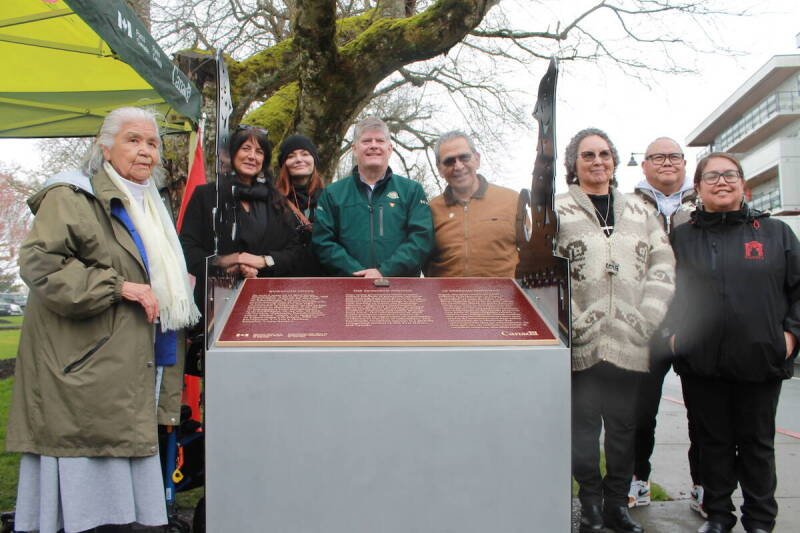
A new chapter has begun in recognizing the invaluable contributions of Coast Salish knitters and the iconic Cowichan sweater. A commemorative plaque was recently unveiled at Charles Hoey Park in British Columbia, marking a significant moment in acknowledging Indigenous artistry and its impact on Canadian culture.
The unveiling brought together members of the Cowichan Tribes, representatives from the Government of Canada, and community members. The event served as a powerful reminder of the sweater's deep roots and the skilled artisans who have kept this tradition alive for generations.
The Cowichan Sweater: A Symbol of Resilience and Creativity
The Cowichan sweater isn't just a piece of clothing; it's a symbol of cultural resilience, artistic innovation, and economic empowerment. These sweaters, hand-knitted from unprocessed sheep's wool, are known for their distinctive designs, durability, and warmth. They have become internationally recognized, representing a piece of Canadian heritage.
The knitting tradition is a story of adaptation and innovation. Coast Salish knitters adopted European knitting techniques in the 19th century but infused them with their own unique designs and cultural narratives. This blend of tradition and innovation is what makes the Cowichan sweater so special.
Why This News Matters
This plaque is more than just a marker; it's a vital step toward reconciliation. It publicly acknowledges the contributions of Indigenous peoples to Canadian society and helps to preserve and promote Indigenous culture. By recognizing the history of the Cowichan sweater, we are also recognizing the stories, skills, and resilience of the Coast Salish knitters who created it. This recognition can contribute to a broader understanding and respect for Indigenous heritage.
Furthermore, the Cowichan sweater represents a sustainable economic activity for the Cowichan Tribes. Recognizing and supporting this craft can empower Indigenous communities and provide opportunities for economic self-determination.
Our Analysis
In our opinion, the unveiling of this plaque is a positive development. It signifies a growing awareness of the importance of acknowledging Indigenous contributions to Canadian culture and economy. The fact that government officials were involved in the ceremony suggests a commitment to reconciliation and support for Indigenous communities.
However, it's crucial that this recognition goes beyond symbolic gestures. Tangible support, such as funding for cultural preservation programs, training for young knitters, and protection of intellectual property rights, is needed to ensure the long-term sustainability of the Cowichan sweater tradition. Without concrete action, these sweaters could be vulnerable to mass production and loss of their cultural value.
This could impact the future of Indigenous art and economic independence. If cultural crafts are respected and supported, future generations will continue to pass down and carry on the traditions.
Future Outlook
The future of the Cowichan sweater tradition depends on continued support and recognition. Here are some key areas to watch:
- Cultural Preservation: Efforts to preserve and promote the traditional knitting techniques and designs of the Coast Salish knitters will be crucial.
- Economic Empowerment: Supporting Indigenous knitters through fair trade practices and market access will ensure the economic sustainability of the tradition.
- Intellectual Property Rights: Protecting the designs and cultural significance of the Cowichan sweater from appropriation is essential.
- Education and Awareness: Raising awareness about the history and cultural importance of the Cowichan sweater will help to foster respect and appreciation for Indigenous artistry.
In the years to come, we hope to see more initiatives that empower Indigenous communities and celebrate their cultural heritage. The Cowichan sweater story serves as a powerful example of how tradition, innovation, and resilience can come together to create something truly special. It is a symbol of hope and a testament to the enduring strength of Indigenous cultures in Canada.