Cherry Blossom Viewing Under Threat: Overtourism and Unruly Behavior in Japan
Popular cherry blossom viewing events in Japan are facing challenges due to overtourism and unruly behavior. Learn about the issues, potential impacts, and future outlook.



Popular cherry blossom viewing events in Japan are facing challenges due to overtourism and unruly behavior. Learn about the issues, potential impacts, and future outlook.
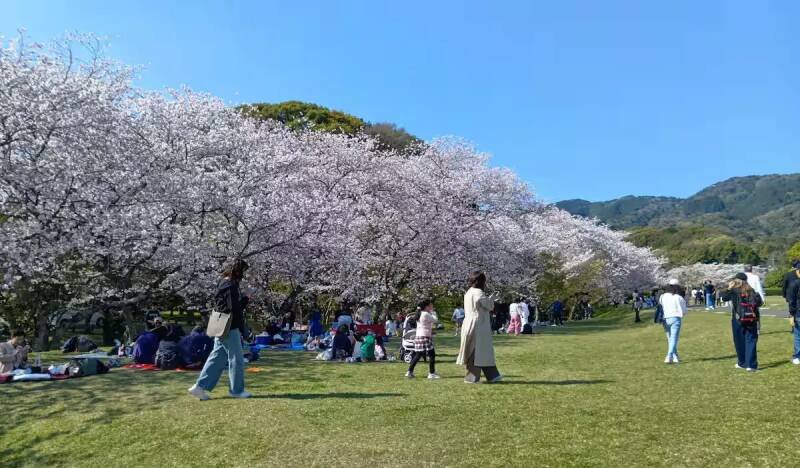
Cherry blossom season, known as sakura in Japanese, is a magical time in Japan. Millions of people, both locals and tourists, flock to parks and gardens to participate in hanami, the traditional custom of enjoying the beauty of the cherry blossoms. However, this beloved tradition is facing a growing threat: overtourism and the unruly behavior of some visitors.
While the vast majority of people enjoy cherry blossom viewing responsibly, a growing number of incidents are causing concern and frustration. The original news report highlights instances of noise pollution, dangerous rule-breaking, and general disrespect for the environment and local residents.
Imagine trying to enjoy a peaceful afternoon under the cherry blossoms only to be disturbed by loud music, boisterous behavior, and piles of litter. This is the reality that some Japanese communities are facing, leading to calls for stricter regulations and even the cancellation of some cherry blossom viewing events.
This news is significant for several reasons:
In our opinion, the problems stemming from overtourism during cherry blossom season are multifaceted. A lack of awareness among some tourists regarding local customs and etiquette plays a significant role. Some visitors simply may not understand or appreciate the importance of respecting the environment and the quiet enjoyment of others.
Furthermore, inadequate infrastructure and crowd control measures in popular viewing spots contribute to the problem. When large numbers of people are concentrated in limited spaces, it becomes difficult to manage noise levels, waste disposal, and overall behavior.
It's also important to consider the economic factors at play. Tourism is a vital industry for Japan, and there's pressure to accommodate as many visitors as possible. However, this can lead to a situation where the needs of tourists are prioritized over the needs of local communities.
The future of cherry blossom viewing events in Japan is uncertain. It will likely require a combination of measures to address the challenges of overtourism and unruly behavior. This could include:
This could impact the tourism industry in the short term, as some tourists might choose to visit other destinations. However, in the long term, it could lead to a more sustainable and enjoyable experience for both visitors and locals. If these issues are not addressed, we anticipate more cancellations of viewing events and increasing resentment from local communities. The key is to find a balance between welcoming tourists and protecting the cultural heritage and environment that makes Japan so special.
The future of Hanami depends on collaborative efforts from tourists, local residents, and the government to ensure that this beautiful tradition can be enjoyed by all for generations to come.
























