Cambridge Cycle Street: Benefits, Costs, and Community Divide
Cambridge's new cycle street sparks debate! Is it a smart investment in sustainable transport, or is it a costly inconvenience? We analyze the impact on the community.
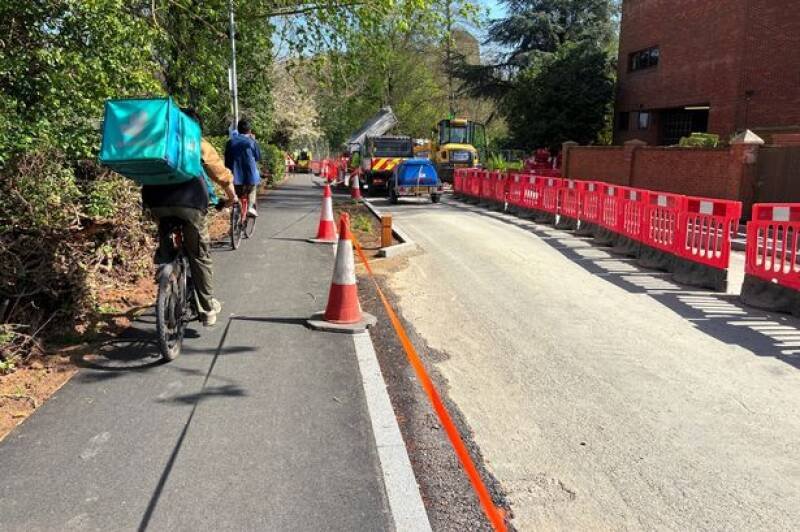



Cambridge's new cycle street sparks debate! Is it a smart investment in sustainable transport, or is it a costly inconvenience? We analyze the impact on the community.
Cambridge, a city renowned for its cycling culture, is currently grappling with a heated debate surrounding its newest infrastructure project: a dedicated "cycle street." This pioneering initiative, touted as England's first of its kind, aims to prioritize cyclists and pedestrians, but it has ignited a controversy about the project's cost-effectiveness and overall impact on the community.
A cycle street, in essence, is a road designed primarily for cyclists. Typically, cars are either restricted or allowed only under specific conditions, creating a safer and more appealing environment for those traveling on two wheels. The aim is to encourage cycling, reduce reliance on cars, and promote a more sustainable and healthy urban environment. The Cambridge project aims to enhance connectivity, alleviate traffic congestion, and make the city even more cycle-friendly.
While supporters champion the cycle street as a significant step toward a greener future, critics question whether the investment justifies the perceived benefits. Concerns are raised regarding potential disruptions to local businesses, increased journey times for motorists, and the overall value for money spent on the project.
This situation in Cambridge mirrors similar debates unfolding in cities worldwide as they strive to balance the needs of different transportation modes. The Cambridge case offers valuable lessons about public engagement, infrastructure investment strategies, and the long-term consequences of prioritizing specific forms of transport.
How cities choose to handle this balance could have large implications for things like:
In our opinion, the Cambridge cycle street highlights the crucial need for thorough planning and open communication when implementing significant infrastructure changes. While the intention to promote cycling is laudable, a lack of transparency and effective engagement with all stakeholders can easily lead to public opposition.
It appears the project could have benefited from:
A key factor in the debate revolves around the perceived value of the investment. Is the cycle street truly delivering the anticipated benefits in terms of reduced congestion, improved air quality, and increased cycling rates? An independent assessment of the project's impact would be beneficial in determining its long-term success.
The future of the Cambridge cycle street hinges on the ability of the local authorities to address the concerns of dissenting voices and demonstrate the project's tangible benefits. Monitoring traffic patterns, conducting surveys, and actively engaging with residents will be crucial in refining the project and maximizing its positive impact.
This could impact other cities by:
Ultimately, the Cambridge cycle street serves as a case study in the complexities of urban planning and the importance of striking a balance between competing interests. The lessons learned from this experience will undoubtedly inform similar initiatives in other cities striving to create more sustainable and livable urban environments. How Cambridge adapts to this situation and finds a solution for both sides of the debate could set a precedent for similar cases around the world.