Building Resilient Drones: How AI is Making Drones Smarter and More Reliable
Learn how Professor Spandan Roy is using machine learning to create more resilient and adaptable drones for agriculture, disaster relief, and other critical applications.
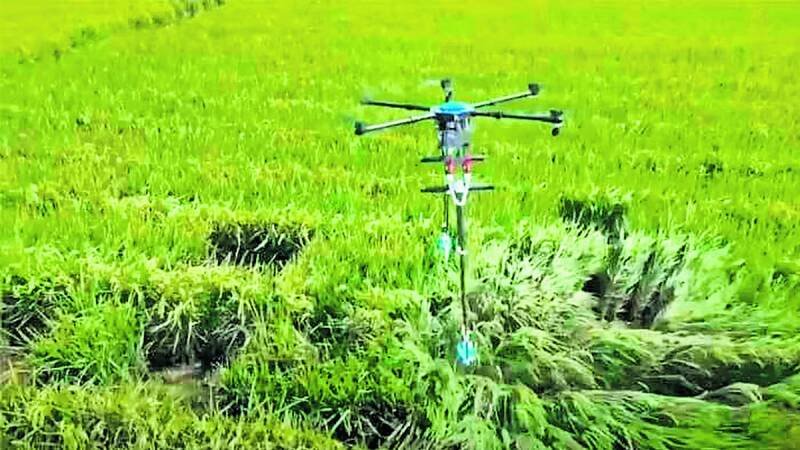



Learn how Professor Spandan Roy is using machine learning to create more resilient and adaptable drones for agriculture, disaster relief, and other critical applications.
Drones are becoming increasingly prevalent in various sectors, from agriculture to disaster response. But their performance often hinges on consistent environmental conditions. What happens when the unexpected occurs? Professor Spandan Roy is working on a solution: making drones smarter and more resilient through advanced machine learning.
Current drone technology often relies on pre-programmed flight paths and predictable environmental data. However, real-world scenarios are rarely so neat. Imagine a drone inspecting crops suddenly facing a strong gust of wind, or a search and rescue drone encountering unexpected obstacles after a natural disaster. These unpredictable elements can compromise the drone's mission and even lead to crashes.
Professor Roy's work directly addresses this challenge. He is developing machine learning algorithms that allow drones to adapt to changing conditions in real-time, making them more reliable and effective in complex environments.
Instead of simply relying on pre-set parameters, Roy's research focuses on enabling drones to "learn" from their experiences. This involves:
Essentially, Professor Roy is teaching drones to think on their feet, making them far more capable of handling the complexities of real-world applications.
The development of resilient drones has significant implications for various industries and societal challenges. Consider these potential benefits:
The ability to deploy reliable drones in these challenging environments will revolutionize many aspects of how we work and live.
In our opinion, Professor Roy's work represents a crucial step forward in drone technology. While drones have already proven their value in many applications, their widespread adoption has been limited by concerns about reliability and safety. By addressing these concerns, Roy's research has the potential to unlock the full potential of drones and transform numerous industries.
This research is also particularly relevant in the context of increasing automation and the growing demand for autonomous systems. As we rely more and more on robots and AI to perform critical tasks, ensuring their resilience and adaptability will be essential.
The field of drone technology is rapidly evolving, and we expect to see significant advancements in the coming years. Future research will likely focus on:
This could impact the creation of completely autonomous drone delivery systems, advanced environmental monitoring capabilities, and more effective disaster response strategies.
Professor Roy's work is paving the way for a future where drones are not just useful tools, but truly reliable partners in tackling some of the world's most pressing challenges. It is exciting to consider the possibilities that this research unlocks.
























