British Columbia Drug Crisis: A Bleak Future and What It Means
Experts warn of a grim future in British Columbia's drug crisis. We break down the news, explain why it matters, and offer our analysis and future outlook.
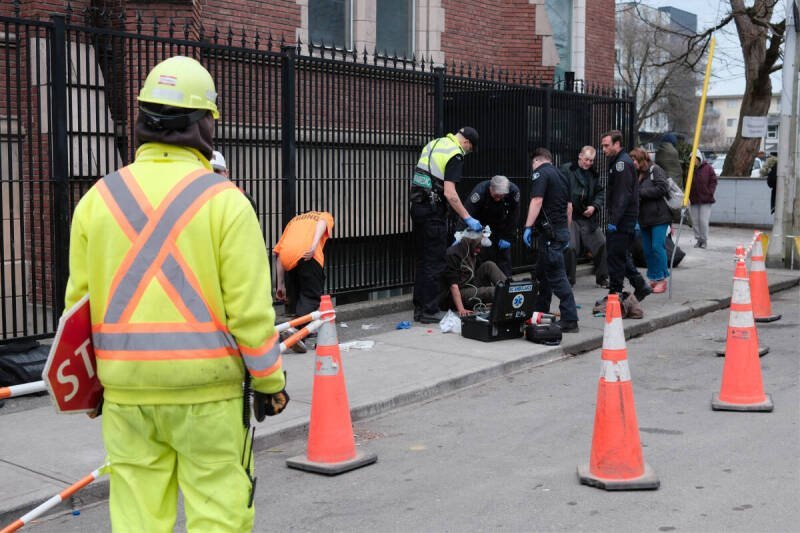



Experts warn of a grim future in British Columbia's drug crisis. We break down the news, explain why it matters, and offer our analysis and future outlook.
A stark warning has emerged from experts in Greater Victoria: the drug crisis in British Columbia is worsening, and the future looks grim. With approximately five people dying every day in the province due to drug-related causes, the situation demands immediate and comprehensive action.
The numbers paint a devastating picture. Every single day, families are torn apart by the loss of loved ones to drug overdoses. These deaths are largely attributed to the highly toxic and unpredictable drug supply, specifically the prevalence of fentanyl and other synthetic opioids.
This isn't just another news story; it's a crisis deeply impacting communities across British Columbia. Here's why you should care:
In our opinion, the current approach to the drug crisis is falling short. While harm reduction strategies like safe consumption sites are vital, they are not a complete solution. A multifaceted approach is desperately needed.
We believe that effectively tackling this crisis requires a combination of:
Fentanyl remains a major driver of the overdose crisis. Its potency and unpredictable presence in the drug supply make it incredibly dangerous. Increased efforts are needed to disrupt the supply chain and prevent fentanyl from reaching the streets.
The future remains uncertain, but there are reasons for cautious optimism. Increased awareness, growing political will, and the development of new treatment options offer hope. However, sustained commitment and a willingness to embrace innovative solutions are crucial.
This could impact British Columbia's healthcare system even further, potentially leading to more strain on resources and longer wait times for other medical services. The social impacts, such as increased homelessness and crime rates, could also worsen.
Challenges include overcoming stigma associated with addiction, securing sufficient funding for treatment and prevention programs, and addressing the complex socio-economic factors that contribute to drug use. Finding a consensus on policy changes, such as decriminalization, also presents a significant hurdle.
Addressing the drug crisis requires a collective effort from governments, healthcare providers, community organizations, and individuals. We need to prioritize evidence-based solutions, foster compassion and understanding, and work together to create a safer and healthier future for all British Columbians. The current state of affairs demands a radical shift in approach if we hope to reverse this tragic trend and save lives. In our opinion, innovative strategies, paired with a dedicated commitment to providing resources, can truly make a difference.
























