Blocking Gotion: Will it Hinder US Battery Tech Advancement?
An analysis of the US decision to block Gotion's investment and its potential impact on America's ambition to lead in battery technology. We explore alternative strategies for US companies.
Does Blocking China's Gotion Hurt U.S. Tech Ambitions?
The United States' ambition to become a global leader in battery technology is facing a complex challenge. Recently, moves to block investments from Chinese companies, like Gotion, have sparked debate about whether these actions ultimately serve or hinder America's technological goals. While national security concerns are paramount, the question is: are there better ways to secure our interests without stifling innovation and access to crucial technologies?
The Context: Gotion and the Battery Tech Race
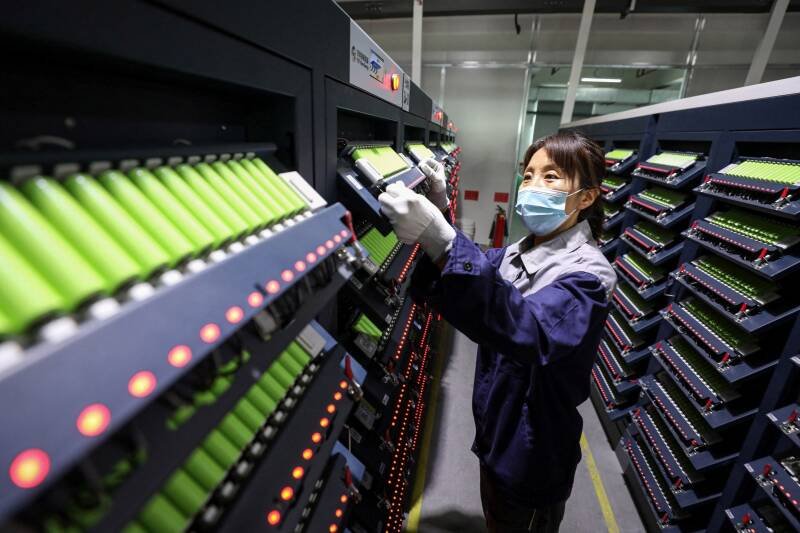
Gotion High-Tech Co. Ltd. is a major Chinese battery manufacturer. Batteries are absolutely crucial for the future of electric vehicles (EVs), energy storage, and many other technologies. The US is trying to build its own domestic battery industry, aiming to reduce reliance on foreign suppliers, particularly China, which currently dominates the battery supply chain.
Blocking Gotion's investment, ostensibly due to national security concerns, raises a fundamental issue: how can the U.S. secure access to vital battery technology while simultaneously protecting its national interests? This is a delicate balancing act.
Why This News Matters
This decision has far-reaching implications for the U.S. electric vehicle industry and the broader energy sector. Blocking foreign investment, while potentially safeguarding against espionage or undue influence, could also slow down the pace of innovation and increase costs for American companies. A robust and competitive battery industry is vital for achieving energy independence and meeting climate goals.
Furthermore, this situation highlights the growing tension between economic competition and national security concerns in the U.S.-China relationship. Decisions like this have a ripple effect, impacting international trade, investment, and technological collaboration.
Our Analysis
In our opinion, the decision to block Gotion presents a complex dilemma. On one hand, safeguarding national security is undeniably important. Concerns about data security, intellectual property theft, and potential control over critical infrastructure are legitimate. However, a purely protectionist approach could backfire.
Limiting access to advanced battery technology, even from perceived adversaries, might hinder the development of a competitive domestic battery industry. American companies might miss out on valuable partnerships, technology transfer, and access to established supply chains. It's essential to recognize that the battery technology landscape is constantly evolving, and isolating ourselves could put us at a disadvantage.
The core issue isn't necessarily blocking all foreign investment, but rather ensuring that such investments are carefully vetted and structured to protect U.S. interests. Stricter regulations, enhanced monitoring, and collaborative research efforts could provide a more balanced approach.
Future Outlook
The future of the U.S. battery industry hinges on finding a sustainable and effective strategy for securing access to critical technologies. This could involve:
- Increased investment in domestic research and development: Focusing on groundbreaking battery technologies like solid-state batteries and next-generation lithium-ion technologies is crucial.
- Strategic partnerships with allied nations: Collaborating with countries like South Korea, Japan, and European nations can diversify supply chains and reduce reliance on China.
- Clear and transparent regulations: Establishing a well-defined framework for foreign investment can provide certainty for businesses while addressing national security concerns.
- Promoting ethical sourcing of battery materials: Ensuring that the battery supply chain is environmentally sustainable and avoids human rights abuses is essential.
This could impact how quickly the US can transition to renewable energy, as well as how many jobs are created in the clean energy sector. Navigating this complex landscape requires a nuanced approach that balances national security with the need for innovation and access to global expertise. The decisions made today will shape the future of the U.S. battery industry and its role in the global energy transition.