Artemis II Moon Mission: Insights and Analysis
Get the latest insights from the Artemis II astronauts as they prepare for their historic moon mission. Understand the mission's significance, potential impact, and future outlook.
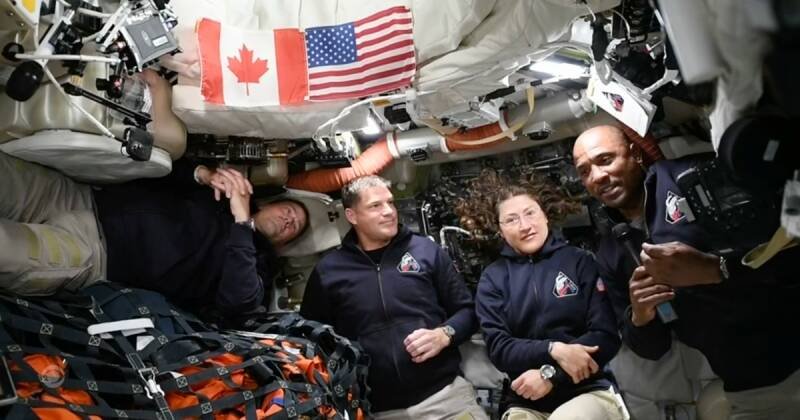



Get the latest insights from the Artemis II astronauts as they prepare for their historic moon mission. Understand the mission's significance, potential impact, and future outlook.
The Artemis II mission is shaping up to be a pivotal moment in space exploration, paving the way for humanity's return to the Moon. In a recent interview with CBS News, the Artemis II astronauts provided a glimpse into their preparations and excitement as they embark on this historic journey. They spoke with CBS News senior national correspondent Mark Strassmann while en route to the moon. The mission marks a crucial step in NASA's long-term goal of establishing a sustainable presence on the lunar surface and eventually venturing to Mars.
Unlike a lunar landing, Artemis II will orbit the moon. This is a test flight to ensure future Artemis missions are safe to land astronauts on the moon's south pole. The crew will experience conditions similar to those encountered during the Apollo missions, testing vital systems and gathering data crucial for future lunar missions.
The Artemis II mission isn't just a spaceflight; it's an investment in our future. It signifies renewed international collaboration in space, fostering technological advancements, and inspiring future generations of scientists and engineers. Successful completion of Artemis II is critical for maintaining momentum in the Artemis program and realizing its ambitious goals.
Moreover, the mission provides valuable scientific opportunities. Studying the lunar environment during the orbital phase will help us understand the Moon's composition, history, and potential resources. This knowledge is essential for planning sustainable lunar bases and utilizing lunar resources for future space exploration.
In our opinion, the Artemis II mission represents a strategic shift in space exploration. We're moving away from short-duration missions towards establishing a long-term presence on the Moon. This requires a holistic approach, encompassing everything from sustainable living environments to resource utilization. Artemis II serves as a crucial testing ground for the technologies and procedures necessary for this ambitious endeavor.
The fact that the astronauts were able to conduct a live interview from space underscores the advancements in communication technology. This will enable closer interaction with the ground control and real-time problem-solving during future missions. The insights shared by the astronauts provides a vital human element to the mission, allowing the public to connect with the crew and experience the excitement of space exploration firsthand.
Space exploration is inherently risky, and Artemis II is no exception. Potential challenges include:
However, NASA has implemented numerous safeguards and redundancy measures to mitigate these risks. The crew is highly trained to handle emergencies, and the mission control team is prepared to provide real-time support and guidance throughout the flight.
The success of Artemis II will directly influence the timeline and scope of subsequent Artemis missions. If all goes as planned, Artemis III will aim to land astronauts on the lunar surface, marking the first time humans have set foot on the Moon since 1972. Subsequent missions will focus on building a sustainable lunar base and conducting in-situ resource utilization (ISRU) experiments.
This could impact commercial spaceflight in a massive way. Successful lunar missions will drive demand for private sector involvement in areas like lunar transportation, resource extraction, and habitat construction. This collaborative approach between government and private entities could accelerate the pace of space exploration and unlock new economic opportunities beyond Earth.
Ultimately, the Artemis program aims to create a stepping stone for human exploration of Mars. By establishing a robust lunar infrastructure and mastering the technologies needed for long-duration spaceflight, we can prepare for the even greater challenge of sending humans to the Red Planet. Artemis II, in this context, isn't just a moon mission; it's a crucial building block in our journey to become a multi-planetary species.