Artemis II Capsule Separation: What It Means for Future Moon Missions
The Artemis II mission is progressing! Learn about the successful separation of the Orion capsule before re-entry and what it means for future moon missions. Get expert analysis.



The Artemis II mission is progressing! Learn about the successful separation of the Orion capsule before re-entry and what it means for future moon missions. Get expert analysis.
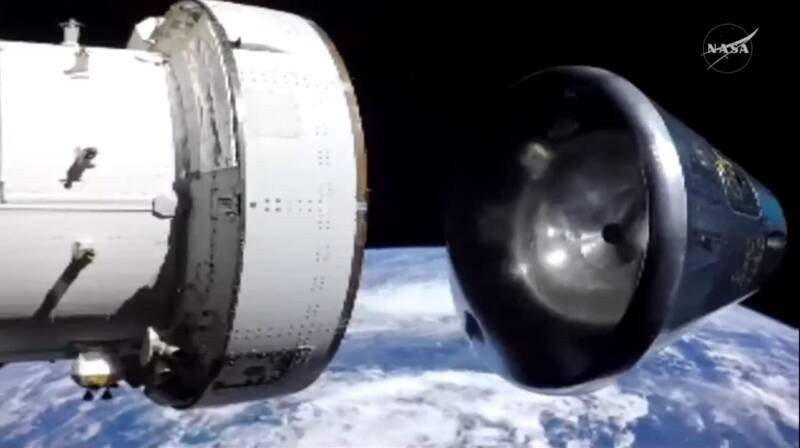
The Artemis II mission has marked another significant milestone! Just minutes before its scheduled splashdown off the coast of California, the Orion capsule successfully separated from its service module. This critical maneuver paves the way for a safe and controlled re-entry into Earth's atmosphere.
Capsule separation is a vital part of any space mission returning to Earth. The service module, which provides power, propulsion, and life support during the mission, is no longer needed once the capsule is nearing Earth. Separating it reduces the spacecraft's mass, making re-entry more manageable and precise. This is crucial for protecting the astronauts and ensuring a successful landing.
Think of it like dropping off the trailer before parking a large truck. The trailer (service module) has done its job, and it's easier and safer to navigate the final stretch without it.
The successful capsule separation in the Artemis II mission is a critical step forward for NASA's ambitious lunar program. It demonstrates that the Orion spacecraft's systems are performing as expected, instilling confidence in the overall design and functionality. This success is essential for maintaining the program's timeline and achieving its ultimate goal: returning humans to the Moon.
In our opinion, the smooth execution of the capsule separation is a testament to the meticulous planning and rigorous testing that NASA has undertaken. This success significantly de-risks future Artemis missions, making the prospect of a sustained human presence on the Moon more attainable. The public and private sectors supporting the program can be more confident in the technology. This reduces hesitancy in funding and drives more rapid development.
We believe that NASA is taking a step-by-step approach, verifying key components and procedures before committing to more complex tasks. This methodical strategy is a major advantage, preventing a single point of failure from derailing the entire mission.
With the capsule separation complete, the focus now shifts to a safe and successful splashdown and the subsequent recovery of the Orion capsule. Data gathered from the mission will be thoroughly analyzed to identify any areas for improvement. This analysis will inform the design and operations of future Artemis missions, including the highly anticipated Artemis III mission, which aims to land astronauts on the lunar surface.
This could impact the future of space exploration significantly, as the Artemis program serves as a blueprint for deep-space missions beyond the Moon. The technologies and procedures validated during these missions will be invaluable for future endeavors, such as sending humans to Mars.
The Artemis II mission continues to generate excitement and optimism, showcasing the potential for human exploration and scientific discovery in the 21st century.